Reader-supported. We may earn a commission on purchases through our links. Disclosure ›
The best luggage is not the most expensive suitcase or the trendiest brand. It is the bag that fits your trip length, packing style, airline size limits, budget, and how often you actually travel.
A suitcase that is too heavy can lead to baggage fees. A cheap bag that breaks after a few trips is not really a good deal. A carry-on that is slightly too large can get gate-checked. This guide explains how to choose the best luggage for the way you travel, including carry-ons, checked bags, underseat luggage, hardside vs. softside suitcases, popular luggage brands, and accessories worth buying.
Best Luggage: What to Look for Before You Buy
Before comparing brands, start with how you travel. The right bag for a frequent business traveler is not always the right bag for a family vacation, international trip, or occasional weekend getaway.
Focus on these nine factors first:
- Trip length: Short trips usually need only a personal item or carry-on. Longer trips may require checked luggage.
- Airline size limits: Carry-on and personal item dimensions vary by airline, especially on budget and international carriers.
- Empty weight: A heavy suitcase gives you less room before you hit airline weight limits.
- Material: Hardside luggage protects fragile items better, while softside luggage is more flexible and often has outside pockets.
- Wheels: Spinner wheels are easier in airports; two-wheel rollers handle rough sidewalks better.
- Handle quality: A weak telescoping handle can make a good suitcase frustrating to use.
- Zippers and closures: Durable zippers matter more than most people realize.
- Warranty: A strong warranty can make a more expensive bag cheaper over time.
- Price per trip: Frequent travelers usually benefit from better luggage. Occasional travelers may not need premium brands.
The goal is not to buy the “best” bag on the internet. The goal is to buy the best luggage for your normal travel habits.
1. Choose Luggage Based on Trip Length
Trip length is the easiest place to start. If most of your trips are three to five days and you pack light, a carry-on may be all you need. If you regularly travel for a week or longer, a checked suitcase can make more sense.
- 1 to 2 nights: Personal item, weekender, or underseat bag
- 3 to 5 nights: Carry-on suitcase
- 1 week: Carry-on if you pack light, checked luggage if you want more room
- 2 weeks or longer: Checked luggage, larger travel backpack, or carry-on plus laundry plan
- Family trips: Checked luggage or a shared larger suitcase often works better than several small bags
For most travelers, the smartest setup is one reliable carry-on, one personal item, and one checked suitcase for longer trips.
2. Pick the Right Carry-On Luggage
A good carry-on is the most useful piece of luggage you can own. It helps you avoid baggage claim, reduces the risk of lost luggage, and works for most short trips.
The common U.S. carry-on size is around 22 x 14 x 9 inches, including wheels and handles. Some international and budget airlines are stricter, so always check your specific airline before flying.
A carry-on is best if:
- You take mostly short trips.
- You want to avoid checked bag fees.
- You prefer to leave the airport quickly after landing.
- You can pack light or do laundry while traveling.
- You want your essentials with you at all times.
Recommended carry-on guides:
- Carry-On Luggage Size Guide by Airline
- Best Carry-On Luggage With Laptop Compartment
- Best Wheeled Lightweight Suitcases
- Carry-On Rules for International Flights
3. Know When Checked Luggage Is Better
Checked luggage gives you more room and makes sense for longer trips, family travel, bulky clothing, formalwear, sports gear, or shopping-heavy vacations.
The standard checked suitcase is usually around 25 to 28 inches. Most airlines also use a 62 linear inch size limit, which means length + width + height. If your bag goes over that limit, it may trigger oversized baggage fees.
Checked luggage is best if:
- You are traveling for a week or longer.
- You need multiple shoes, jackets, or formal outfits.
- You are packing for children or family members.
- You are bringing liquids or toiletries larger than carry-on limits.
- You do not want to fight for overhead bin space.
Recommended checked luggage guides:
- Best Hardside Luggage Sets
- Best 62-Inch Luggage
- Most Durable Luggage Brands
- Luggage Brands With Lifetime Warranties
4. Consider Underseat Luggage for Short Trips
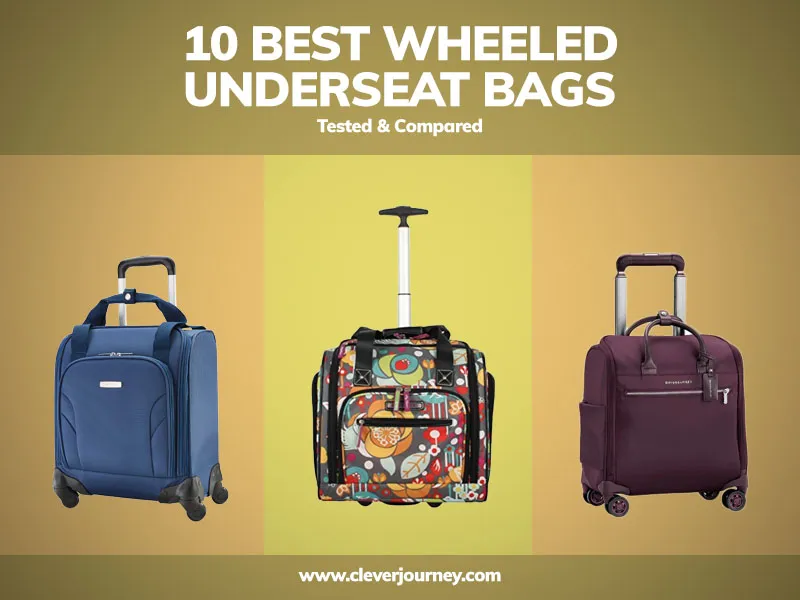
Underseat luggage is the smallest luggage category. These bags are designed to fit under the seat in front of you, which makes them useful for short trips, budget airlines, and travelers who want to skip the overhead bin.
Underseat luggage is best if:
- You travel light.
- You fly budget airlines with strict carry-on fees.
- You want your bag within reach during the flight.
- You take overnight or weekend trips.
- You do not want to lift a suitcase into the overhead bin.
Underseat bags are not ideal for heavy packers, long trips, or bulky clothing. They work best when you pack intentionally and avoid “just in case” items.
Recommended underseat luggage guides:
- Underseat Luggage Size Guide
- Best Wheeled Underseat Suitcases
- Best Underseat Bags Without Wheels
- What Counts as a Personal Item on a Plane?
5. Compare Hardside vs. Softside Luggage
Hardside and softside luggage both work. The better choice depends on what you pack and how you travel.
Hardside Luggage
Hardside luggage is usually made from polycarbonate, ABS, polypropylene, or aluminum. It protects fragile items better and handles light rain, spills, and rough baggage handling more confidently.
Hardside luggage is best for:
- Checked bags
- Fragile items
- Travelers who want better weather resistance
- People who prefer a cleaner, modern look
- Trips where the bag may be handled roughly
The downside is that hardside luggage usually has fewer outside pockets and less flexibility when you need to squeeze in one more item.
Softside Luggage
Softside luggage is usually made from polyester, nylon, canvas, or ballistic nylon. It is more flexible, often lighter, and usually has exterior pockets for easy access.
Softside luggage is best for:
- Carry-ons
- Business travel
- Travelers who use outside pockets
- Trips where you need slight expandability
- Airports, trains, and road trips where flexibility matters
If you are unsure, a practical setup is a softside carry-on and a hardside checked suitcase.
6. Choose the Right Wheels
Wheels affect how easy your luggage feels to use. A suitcase can look great online but become annoying if the wheels do not match your travel style.
Spinner Wheels
Four-wheel spinner suitcases roll smoothly through airports, hotel lobbies, and flat indoor spaces. They are easy to push beside you and maneuver in tight lines.
Spinner wheels are best for:
- Airports
- Business travel
- Travelers who want easy maneuvering
- Smooth floors and short walks
Two-Wheel Rollers
Two-wheel rollers are pulled behind you and usually perform better on rough sidewalks, cobblestones, uneven streets, and longer outdoor walks.
Two-wheel luggage is best for:
- Europe trips
- Train travel
- Rough sidewalks
- Travelers who prioritize durability over easy airport maneuvering
Most travelers prefer spinner wheels, but frequent international travelers may still appreciate a durable two-wheel roller.
7. Pay Attention to Empty Weight
Empty suitcase weight matters more than most people realize. A heavy carry-on or checked bag gives you less usable weight before you hit airline limits.
For example, a 10-pound carry-on leaves less room for clothing, shoes, toiletries, and electronics. Lightweight luggage can save several pounds before you even start packing.
Look for:
- Carry-ons under about 8 pounds when possible
- Checked bags that balance durability with reasonable weight
- Lightweight shells, frames, and handles
- Strong wheels that do not add unnecessary bulk
For international travel, weight can be even more important because some airlines enforce strict carry-on weight limits.
8. Compare the Best Luggage Brands
The best luggage brand depends on your budget, travel frequency, warranty expectations, and preferred style. Brand reputation matters because it often reflects build quality, wheel durability, zipper strength, and warranty handling.
Travelpro
Travelpro is a practical, durability-focused brand with roots in flight crew luggage. It is one of the strongest choices for travelers who want reliable bags without paying luxury prices.
Recommended Travelpro guides:
- Travelpro Luggage Review
- Travelpro Maxlite 5 Review
- Travelpro Platinum Elite Review
- Travelpro Crew VersaPack Review
Samsonite
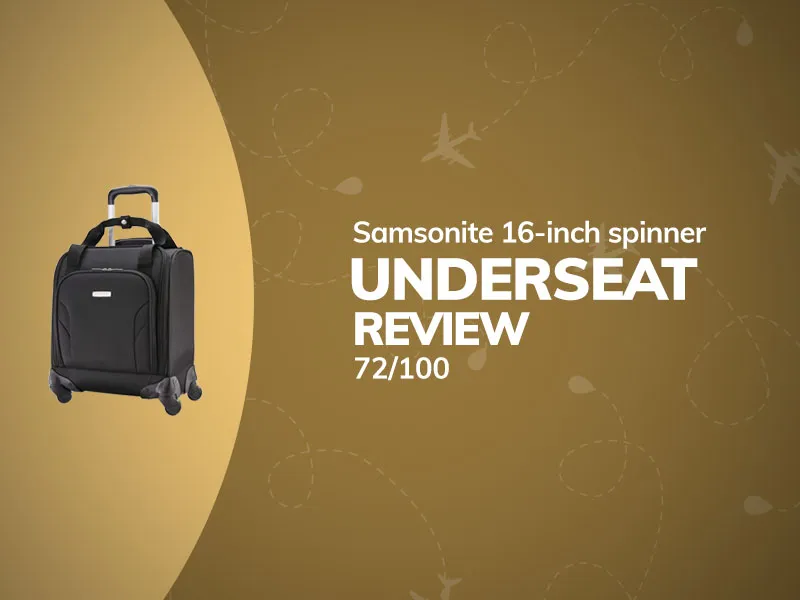
Samsonite is one of the most recognizable luggage brands and covers nearly every price point. It is a good starting point for travelers who want reliable luggage without going fully premium.
Recommended Samsonite guides:
Tumi
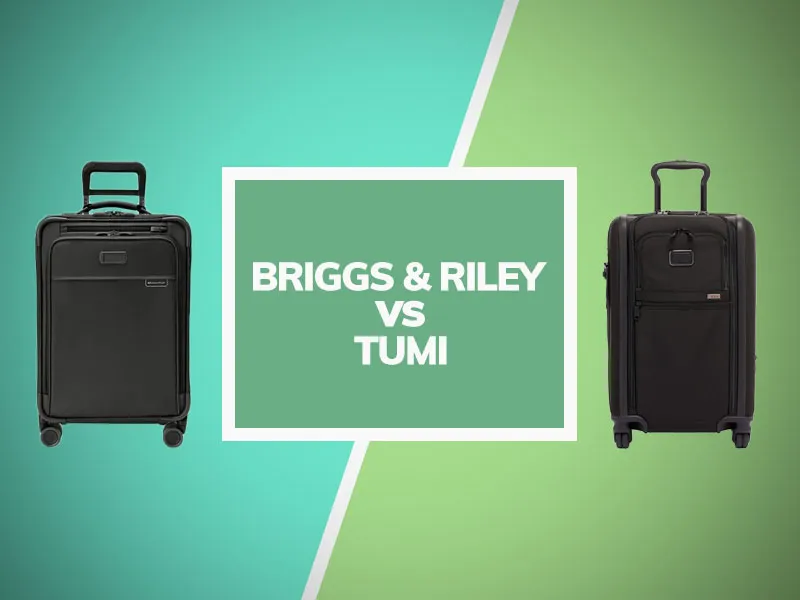
Tumi is a premium travel and business luggage brand. It is expensive, but frequent travelers often choose it for refined design, durability, materials, organization, and brand reputation.
Recommended Tumi guides:
- Tumi Luggage Review
- Tumi Alpha 3 Carry-On Review
- Tumi 19 Degree Carry-On Review
- Why Is Tumi So Expensive?
Briggs & Riley
Briggs & Riley is a strong pick for frequent travelers who care about warranty coverage and long-term durability. It is not cheap, but the warranty can make sense if you travel often and want a bag you can repair instead of replace.
Recommended Briggs & Riley guides:
Away, Monos, Rimowa, and Modern Brands
Away, Monos, and Rimowa appeal to travelers who care about clean design, modern materials, and a more polished look. Rimowa is the luxury option, while Away and Monos are more accessible direct-to-consumer alternatives.
Recommended modern luggage guides:
- Away vs Rimowa
- Tumi vs Away
- Monos vs Away
- Why Is Rimowa So Expensive?
- Aluminum Suitcases: Are They Worth It?
American Tourister, Coolife, Rockland, and Budget Brands
Budget luggage brands can make sense if you fly only a few times per year. They usually do not match premium durability, but the price can be reasonable for occasional travel.
Recommended budget luggage guides:
- American Tourister Luggage Review
- Coolife Luggage Review
- Rockland Luggage Review
- SwissGear Luggage Review
9. Use Warranty and Durability to Decide Value
The cheapest luggage is not always the best value. If you travel frequently, replacing a cheap bag every few trips can cost more than buying a durable suitcase once.
When comparing luggage warranties, check:
- How long the warranty lasts
- Whether airline damage is covered
- Whether wheels, handles, zippers, and shells are covered
- Whether repairs are free or discounted
- Whether you need proof of purchase
- How easy the warranty claim process is
Occasional travelers may be fine with a lower-cost suitcase. Frequent travelers should care more about wheels, handles, zippers, materials, and warranty support.
Popular Luggage Comparisons
If you are deciding between two luggage brands, a side-by-side comparison is usually more helpful than reading separate reviews.
Start with these comparison guides:
- Samsonite vs Tumi
- Samsonite vs Travelpro
- Samsonite vs Delsey
- Samsonite vs American Tourister
- Rimowa vs Tumi
- Ricardo vs Samsonite
Luggage Accessories Worth Owning
The right accessories make even basic luggage easier to use. You do not need every travel gadget, but a few small items are worth owning.
- Luggage tags: Help identify your bag and add contact information.
- Luggage straps: Add security if a zipper fails or your suitcase is overpacked.
- Packing cubes: Keep clothing organized inside the suitcase.
- Luggage scale: Helps avoid overweight baggage fees.
- Luggage cover: Protects hardside bags from scratches.
- AirTag or tracker: Useful for checked luggage and international trips.
Recommended accessory guides:
For independent luggage testing and product comparisons, Consumer Reports luggage coverage can be a useful third-party reference.
Related Luggage Guides
These are the five best next reads if you are choosing the best luggage for your next trip:
- Carry-On Luggage Size Guide by Airline
- Best Hardside Luggage Sets
- Underseat Luggage Size Guide
- Most Durable Luggage Brands
- Luggage Brands With Lifetime Warranties
Best Luggage: Frequently Asked Questions
What is the best luggage brand overall?
For most travelers, Travelpro offers one of the best balances of quality, durability, price, and practical design. Samsonite is a strong mainstream option, Briggs & Riley is excellent for frequent travelers who value warranty coverage, and Tumi is best for premium business travel. The right choice depends on your budget and how often you travel.
Is hardside or softside luggage better?
Hardside luggage is better for checked bags, fragile items, and weather resistance. Softside luggage is better for carry-ons, outside pockets, and flexible packing. Many frequent travelers use a hardside checked bag and a softside carry-on.
How much should I spend on luggage?
Occasional travelers can usually find good luggage in the $100 to $200 range. Frequent travelers may get better long-term value from a $300 to $600 bag with stronger materials, better wheels, and a better warranty. Premium luggage can cost more, but it only makes sense if you travel often enough to benefit from it.
What carry-on size do I need?
For most U.S. airlines, a carry-on around 22 x 14 x 9 inches is the safest target. Always measure the bag including wheels and handles. International and budget airlines may have smaller limits, so check your airline before flying.
Are spinner wheels better than two-wheel luggage?
Spinner wheels are easier to move through airports and hotel lobbies. Two-wheel luggage handles rough sidewalks, cobblestones, and uneven surfaces better. Most travelers prefer spinners, but international travelers who walk longer distances may prefer two-wheel rollers.
Which luggage brands have the best warranties?
Briggs & Riley is known for one of the strongest luggage warranties. Travelpro and Tumi also offer strong warranties on many lines, while Samsonite coverage varies by product. Budget brands usually have shorter warranties and more exclusions.
How do I know if my luggage is too big?
Measure the outside of the suitcase including wheels, handles, side grips, and any expanded sections. For carry-ons, compare those dimensions to your airline’s published size limit. For checked bags, add length + width + height and make sure the total does not exceed the airline’s standard checked luggage limit.
What luggage is best for international travel?
The best luggage for international travel is lightweight, durable, and within your airline’s size and weight limits. A smaller carry-on or medium checked suitcase is usually safer than a bag that pushes the maximum size limit. If your trip involves trains, stairs, or cobblestones, consider a durable two-wheel roller or travel backpack.
Final Thoughts
The best luggage is the bag that matches your real travel habits. Start with trip length, airline rules, weight, material, wheels, and warranty before comparing brands.
If you travel often, spend more for durability and warranty support. If you travel occasionally, a reliable mid-range or budget suitcase may be enough. Either way, choose luggage that fits your trips instead of buying the bag that only looks good online.