Reader-supported. We may earn a commission on purchases through our links. Disclosure ›

Carry-on luggage size rules vary by airline, but the most common carry-on size for U.S. airlines is 22 x 14 x 9 inches, including handles and wheels.
That size works for many major carriers, including American, Delta, United, and Alaska. However, some airlines are more generous, some international carriers are stricter, and budget airlines may charge extra if your bag is too large.
This carry-on luggage size guide explains the standard dimensions, airline-by-airline rules, personal item differences, and how to avoid gate-check fees before your next trip.
Carry-On Luggage Size Guide
The standard carry-on luggage size for most major U.S. airlines is 22 x 14 x 9 inches. These measurements include wheels, handles, side pockets, and anything else that sticks out from the bag.
If you are wondering what carry-on luggage size to buy, a 22 x 14 x 9 inch suitcase is usually the safest choice for U.S. domestic flights.
For most travelers, this means:
- Choose a carry-on that fits in the overhead bin.
- Measure the full bag, including wheels and handles.
- Check your airline’s current size rules before flying.
- Use a smaller bag if you are flying internationally or on a budget airline.
- Do not overpack outside pockets because they can make the bag too deep.
1. The Standard Carry-On Luggage Size Is 22 x 14 x 9 Inches
For most major U.S. airlines, the standard carry-on luggage size is 22 x 14 x 9 inches.
That measurement usually includes:
- Wheels
- Handles
- Side handles
- Outside pockets
- Expansion zippers
That last detail matters. Some luggage is advertised as 22 inches tall, but the full bag may be taller once you include wheels and handles.
If your carry-on is technically 22 inches without wheels, it may be too large for some airlines once fully measured.
2. Carry-On Size Limits by Airline
Carry-on size limits are similar across many U.S. airlines, but they are not identical.
Here are common carry-on luggage size limits for major U.S. carriers:
| Airline | Carry-On Size Limit | What to Know |
|---|---|---|
| American Airlines | 22 x 14 x 9 inches | Includes handles and wheels |
| Delta | 22 x 14 x 9 inches | Also listed as 45 linear inches total |
| United | 22 x 14 x 9 inches | Must fit in the overhead bin |
| Southwest | 24 x 16 x 10 inches | More generous than many U.S. carriers |
| Alaska Airlines | 22 x 14 x 9 inches | Similar to the standard U.S. carry-on size |
| JetBlue | 22 x 14 x 9 inches | Check fare rules because some basic fares may limit carry-ons |
| Frontier | 24 x 16 x 10 inches | Carry-ons usually cost extra; personal item is smaller |
For official examples, American Airlines lists carry-on bags as 22 x 14 x 9 inches, Delta lists carry-on bags as 22 x 14 x 9 inches, and United lists carry-on bags as 9 x 14 x 22 inches.
3. Personal Items Are Smaller Than Carry-Ons
A carry-on bag usually goes in the overhead bin. A personal item goes under the seat in front of you.
Common personal items include:
- Purse
- Laptop bag
- Small backpack
- Tote bag
- Camera bag
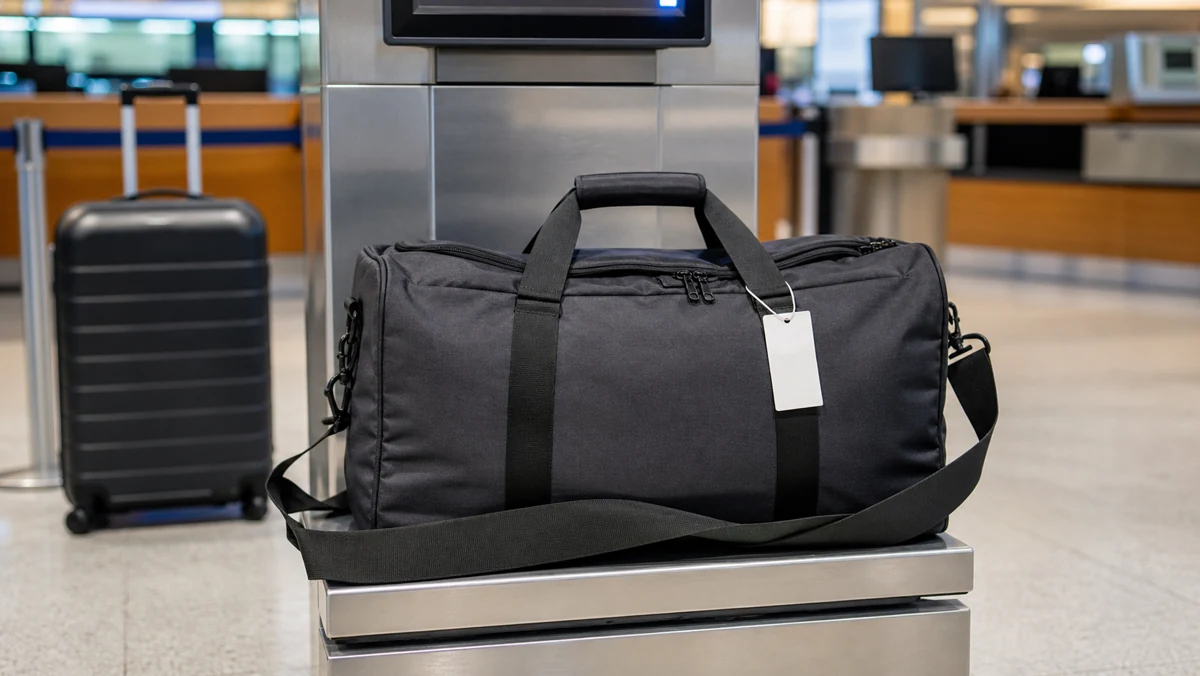
- Small duffel bag
Do not confuse your carry-on luggage size with your personal item size. A bag that is too large to fit under the seat is usually considered a carry-on, even if it is a backpack or tote.
For more help, see our guide on what counts as a personal item on a plane.
4. International Carry-On Sizes Can Be Stricter
International carry-on rules can be stricter than U.S. domestic rules, especially when it comes to weight.
Many U.S. airlines focus mostly on size. International airlines may also enforce weight limits of 7 kg, 8 kg, or 10 kg.
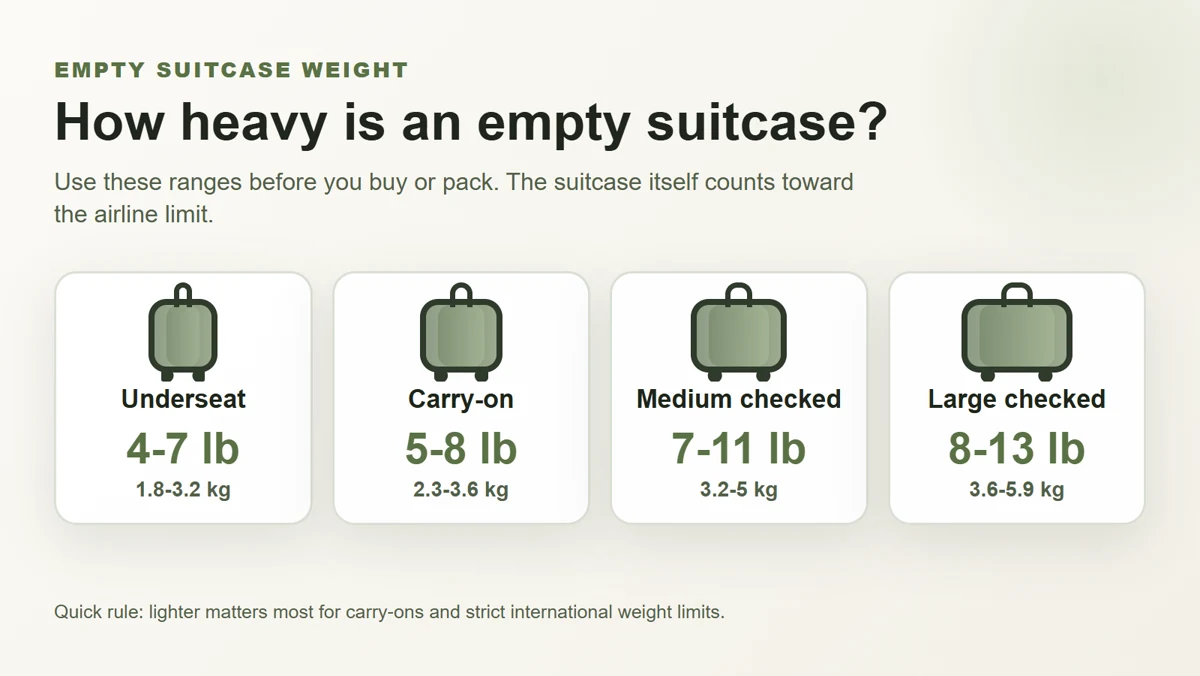
This means a suitcase that fits the overhead bin may still be too heavy for certain international carriers.
Before international travel, check:
- The operating airline
- The carry-on size limit
- The carry-on weight limit
- The personal item allowance
- Whether your fare includes a carry-on bag
If your trip includes multiple airlines, follow the strictest carry-on rule on your itinerary.
For a full breakdown, read our guide to carry-on rules for international flights.
5. Soft-Sided Bags Can Be Easier to Fit
Soft-sided carry-ons can be easier to fit into tight overhead bins because they have a little flexibility.
Hard-shell suitcases protect your belongings well, but they do not compress. If a hard-shell case is overpacked or expanded, it may fail the airline’s size check.
Soft-sided bags are helpful if:
- You use outside pockets
- You fly on smaller aircraft
- You want a bag that can compress slightly
- You often pack close to the size limit
Hard-shell bags are still a good choice if they stay within the allowed carry-on luggage size. The key is to measure the full bag after it is packed.
6. Expanded Luggage May Be Too Large
Many carry-on suitcases have an expansion zipper. That can be useful, but it can also make your bag too deep for the overhead bin or airline sizer.
A bag that is 22 x 14 x 9 inches when empty may become too large once the expansion zipper is open.
Before leaving for the airport, measure your bag after packing it.
Pay close attention to:
- Front pockets
- Bulging sides
- Wheels
- Handles
- Expansion zippers
- Attached luggage tags or accessories
If the bag is close to the limit, do not expand it. Move extra items into your personal item or checked bag instead.
7. Budget Airlines May Charge for Carry-Ons
Budget airlines often treat carry-ons differently from major full-service airlines.
On some low-cost fares, only a small personal item is included for free. A larger carry-on bag may cost extra.
On a train trip a bigger bag is usually free, so browse the best 28x22x14 luggage for Amtrak.
Before flying a budget airline, check:
- Whether your fare includes a carry-on bag
- The carry-on luggage size limit
- The personal item size limit
- The cost to add a carry-on before check-in
- The cost to add a carry-on at the gate
Paying for a carry-on in advance is usually cheaper than paying at the gate.
Carry-On Luggage Size vs. Checked Bag Size
Carry-on bags and checked bags have different size rules.
| Bag Type | Where It Goes | Common Size |
|---|---|---|
| Personal item | Under the seat | Often around 18 x 14 x 8 inches or smaller |
| Carry-on bag | Overhead bin | Often around 22 x 14 x 9 inches |
| Checked bag | Cargo hold | Often limited by linear inches and weight |
If your bag is too large for the overhead bin, the airline may require you to check it.
How to Measure Carry-On Luggage
Measure your carry-on after it is packed.
Use a tape measure and check:
- Height from wheels to top handle
- Width from side to side
- Depth from front pocket to back shell
Do not measure only the box portion of the suitcase. Airlines usually include wheels, handles, and outside pockets in the total size.
If your bag has soft pockets, fill them the way you plan to pack for the trip before measuring.
What Happens If Your Carry-On Is Too Big?
If your carry-on is too big, the airline may require you to check it.
Depending on the airline and fare, that may mean:
- Free gate check on a full flight
- A standard checked bag fee
- A higher gate-check fee on a budget airline
- Repacking at the airport
- Losing access to items during the flight
To avoid this, measure your luggage before the trip and check the airline’s current carry-on rules.
Best Carry-On Size to Buy

For most U.S. travelers, the best carry-on size to buy is 22 x 14 x 9 inches or slightly smaller.
This gives you the best chance of fitting on major U.S. airlines while still offering enough space for short trips.
If you fly internationally often, consider a slightly smaller bag, such as:
- 21.5 x 14 x 9 inches
- 21 x 14 x 9 inches
- 55 x 40 x 23 cm
If you fly budget airlines often, check the exact carrier you use most. The best bag for Frontier or other budget carriers may be different from the best bag for Delta or American.
Tips for Packing a Carry-On Bag
Use these tips to make the most of your carry-on space.
- Use packing cubes to compress clothing.
- Roll soft clothing instead of folding everything flat.
- Wear your bulkiest shoes or jacket on the plane.
- Keep liquids in a small clear bag.
- Put electronics where they are easy to reach.
- Leave expansion zippers closed if your bag is near the limit.
- Use your personal item for small essentials.
- Weigh your bag if flying internationally.
The right carry-on luggage size helps, but how you pack also matters.
Final Verdict
The standard carry-on luggage size for many major U.S. airlines is 22 x 14 x 9 inches, including wheels and handles.
That size is a safe choice for American, Delta, United, Alaska, and many other U.S. flights. Southwest and some budget carriers may allow different dimensions, while international airlines may have stricter size or weight limits.
The safest move is to buy a carry-on that is 22 x 14 x 9 inches or slightly smaller, measure it after packing, and check your airline’s current policy before every trip.
Carry-On Luggage Size: Frequently Asked Questions
What is the standard carry-on luggage size?
The standard carry-on luggage size for many major U.S. airlines is 22 x 14 x 9 inches, including wheels and handles.
Does carry-on size include wheels and handles?
Yes. Airlines usually include wheels, handles, side pockets, and other outside parts when measuring carry-on luggage.
Is 24 inches too big for a carry-on?
On many U.S. airlines, yes. A 24-inch suitcase is usually too large for standard carry-on limits, although some airlines have more generous rules.
Can a backpack count as a carry-on?
Yes. A backpack can count as a carry-on if it is too large to fit under the seat but still fits in the overhead bin and meets the airline’s carry-on size limit.
What happens if my carry-on is too big?
The airline may require you to check it. Depending on the airline and fare, you may need to pay a checked bag or gate-check fee.
Do international flights have different carry-on luggage size rules?
Often, yes. Some international airlines use smaller dimensions or stricter weight limits than U.S. airlines.
Is a personal item the same as a carry-on?
No. A personal item goes under the seat in front of you, while a carry-on bag usually goes in the overhead bin.
What carry-on size should I buy?
For most U.S. travelers, buy a carry-on that is 22 x 14 x 9 inches or slightly smaller. If you fly internationally often, consider a slightly smaller bag with a lower packed weight.
Related Reading
- What Counts as a Personal Item on a Plane?
- Carry-On Rules for International Flights (2026)
- Carry-On Luggage Size Guide
- Airport Security Rules: What to Remove Before TSA
- Does a Diaper Bag Count as a Carry-On?