Reader-supported. We may earn a commission on purchases through our links. Disclosure ›
Samsonite vs Tumi is not a one-brand-fits-everyone decision. Samsonite is the better fit if you want lighter, less expensive luggage that still comes from a major, well-supported brand. Tumi is the better fit if you travel constantly, dress formally, care about premium materials, and will actually use features like garment sleeves, TUMI Tracer, dual-access compartments, and heavy-duty zippers.
The short version: buy Samsonite when value, weight, and casual travel matter most. Buy Tumi when build quality, business organization, brand feel, and long-term frequent-travel use matter more than price. Both choices make sense for the right person, and both have clear trade-offs.
Quick Answer: Choose Based on Your Travel Style
You want practical value
- You travel a few times per year or monthly.
- You want a lighter bag for airline weight limits.
- You would rather spend under premium-luggage pricing.
- You do not need a built-in suiter or luxury finish.
You want premium business luggage
- You fly frequently for work.
- You pack suits, dress shirts, or formal clothing.
- You value ballistic nylon, reinforced parts, and repair support.
- The higher price is acceptable or reimbursed.
Samsonite and Tumi are also not true corporate rivals anymore. Samsonite Group owns both brands, along with American Tourister, Gregory, High Sierra, Lipault, Hartmann, and others. The difference is positioning: Samsonite is the mainstream luggage brand, while Tumi is the premium business-travel brand.
Our Recommended Picks From Samsonite and Tumi
If you already know which brand fits your travel style, these are the first models I would compare. Exact prices change often, so check the current Amazon price before deciding.
Samsonite Freeform Carry-On Spinner
Good first stop for most travelers: lightweight for a hardside spinner, widely available, expandable, and usually priced far below premium brands.
Check Samsonite Freeform on Amazon
Also compare: Samsonite Omni PC on Amazon.
Tumi Alpha 3 Continental Dual Access Carry-On
The Tumi pick for frequent business travelers: ballistic nylon, dual-access opening, removable garment sleeve, USB-C port on newer versions, TUMI Tracer, and heavy-duty hardware.
For hardside shoppers, compare the Tumi Latitude on Amazon.
Weight: Samsonite Usually Gives You More Packing Allowance
Weight is where Samsonite has the clearest practical advantage. Many Samsonite carry-ons sit around the 6.5 to 7 lb range, while Tumi’s most feature-heavy business carry-ons can climb past 10 lb. That does not automatically make Tumi worse; it means Tumi is spending weight on thicker materials, garment systems, reinforced handles, bumper rails, and hardware.
Carry-On Weight Snapshot
Lower is better if your airline enforces carry-on weight. Higher can still make sense if you need business organization and heavier-duty construction.
The best way to read this chart is by trip type. If you fly budget airlines with 15 lb / 7 kg carry-on weight limits, a heavy Tumi softside can eat too much of your allowance before you pack. If you mostly fly US domestic airlines that rarely weigh carry-ons, Tumi’s weight matters less and the organization may matter more.
Durability: Tumi Feels More Premium, Samsonite Is Durable Enough for Most People
Tumi has the better materials and construction overall. Its premium softside models use ballistic nylon or newer high-performance fabrics, reinforced corners, protective rails, and higher-end zipper systems. Tumi’s hardside bags use polycarbonate, aluminum, or premium proprietary materials depending on the model.
Samsonite uses a wider mix of materials. Its better hardside bags use polycarbonate or polypropylene, while many softside models use polyester. That is a step down from Tumi’s premium softside construction, but it is also why Samsonite can sell reliable luggage at much lower prices.
Size and Airline Fit: Tumi Is Usually More Precise
Tumi tends to be more careful about published carry-on dimensions, especially in its business-travel lines. The Alpha 3 Continental Dual Access, for example, is listed at 22 x 16 x 9 inches, which fits many US airline limits but is too wide for strict 22 x 14 x 9 inch rules. The 19 Degree International and Latitude-style hardside models are often easier to match to stricter airline dimensions.
Samsonite is more inconsistent. Some Samsonite carry-ons are marketed as carry-ons even when the outside dimensions run larger than the common 22 x 14 x 9 inch US template. That is normal in the luggage industry, but it means you should check the exact outside dimensions before buying, especially if you fly budget airlines or international carriers.
Features: Samsonite Covers the Basics, Tumi Adds Business-Travel Tools
| Feature | Samsonite | Tumi | Who should care? |
|---|---|---|---|
| Spinner wheels | Common on most modern models. | Usually smoother and heavier-duty on premium lines. | Anyone rolling through airports often. |
| TSA lock | Common on hardside and higher-end softside models. | Common across wheeled luggage. | Checked-bag users and international travelers. |
| Expansion | Common and useful, especially on hardside bags. | Common, sometimes with more refined systems. | Travelers who return with extra items. |
| Garment/suiter section | Available on some softside bags, not a core strength. | A major strength in Alpha and business lines. | Business travelers packing suits or shirts. |
| Tracking ID | No equivalent brand-wide feature. | TUMI Tracer is built into many bags. | Travelers who value lost-bag recovery support. |
| Interior layout | Usually simple and packing-cube friendly. | More pockets, sleeves, and garment tools. | Minimal packers may prefer Samsonite; organizers may prefer Tumi. |
This is the main personal-preference split. Samsonite is easier if you pack with cubes and want open space. Tumi is better if you want the suitcase itself to organize your clothes, tech, documents, and business gear.
Price and Value: Samsonite Saves Money, Tumi Buys a Premium Experience
Samsonite usually costs a fraction of Tumi. That does not mean Samsonite is automatically the smarter buy, but it does change the value math. A traveler who takes three or four trips per year can replace a Samsonite bag several times before reaching the cost of one premium Tumi carry-on.
How to Think About the Price Gap
Better if you want reliable luggage without turning the suitcase into the most expensive item in your travel setup.
Better if the smoother materials, business layout, and brand experience are worth paying for.
The more often you travel, the easier it is to justify Tumi. The less often you travel, the more Samsonite makes sense.
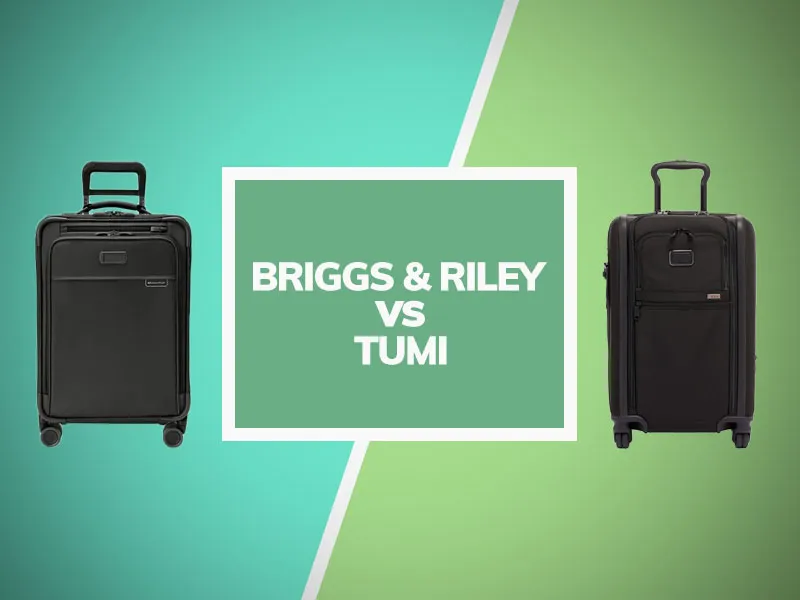
There is also an opportunity-cost point: if your budget is around Tumi pricing, compare Briggs & Riley vs Tumi before buying. Briggs & Riley often competes more directly with Tumi on durability while offering a stronger warranty model.
Warranty: Tumi Has Better First-Year Coverage, Samsonite Has Longer Common Coverage
Samsonite’s common luggage warranty is a limited 10-year global warranty for manufacturing defects, though exact coverage depends on the product. Samsonite says the warranty does not cover normal wear and tear or transport damage such as airline damage. You can read the current terms on Samsonite’s warranty page.
Tumi’s current warranty is usually five years for wheeled luggage and body-worn bags. The first year is the strongest part: Tumi says it covers functional or structural failure from manufacturing defects, workmanship issues, wear and tear except aesthetic damage, and even airline or transit mishandling, with repair shipping included. After the first year, airline and transit mishandling are no longer covered. Check the latest terms on Tumi’s warranty page.
| Warranty point | Samsonite | Tumi |
|---|---|---|
| Typical wheeled luggage term | Often 10-year limited warranty | Often 5-year limited warranty |
| Best coverage period | Same limited manufacturing-defect framing through the term | First year is much broader |
| Airline damage | Generally excluded | Covered in year one for qualifying functional/structural damage, then generally excluded |
| Personal preference angle | Better if you want a longer stated warranty and lower replacement cost | Better if you value premium service and strong first-year support |
Samsonite Winning and Losing Points
Where Samsonite wins
- Lower prices across most categories.
- Lighter options for carry-on weight limits.
- Large retail presence and easy availability.
- Simple interiors that work well with packing cubes.
- Good enough durability for most casual and regular travelers.
Where Samsonite loses
- Build quality varies more by model.
- Softside materials are usually less premium than Tumi’s.
- Fewer business-travel features.
- Some carry-ons run larger than strict airline templates.
- The warranty is limited and generally excludes airline damage.
Tumi Winning and Losing Points
Where Tumi wins
- Premium materials and construction.
- Excellent business-travel organization.
- Garment sleeves and suiter systems on many models.
- TUMI Tracer and stronger first-year warranty support.
- Better fit and finish for frequent travelers who notice details.
Where Tumi loses
- Much higher prices.
- Some softside carry-ons are very heavy.
- Not always better value than Briggs & Riley at similar prices.
- Premium organization can feel overbuilt if you pack simply.
- After year one, the warranty becomes more limited.
Best Bags From Each Brand
Best Samsonite for Most Travelers: Freeform Carry-On Spinner
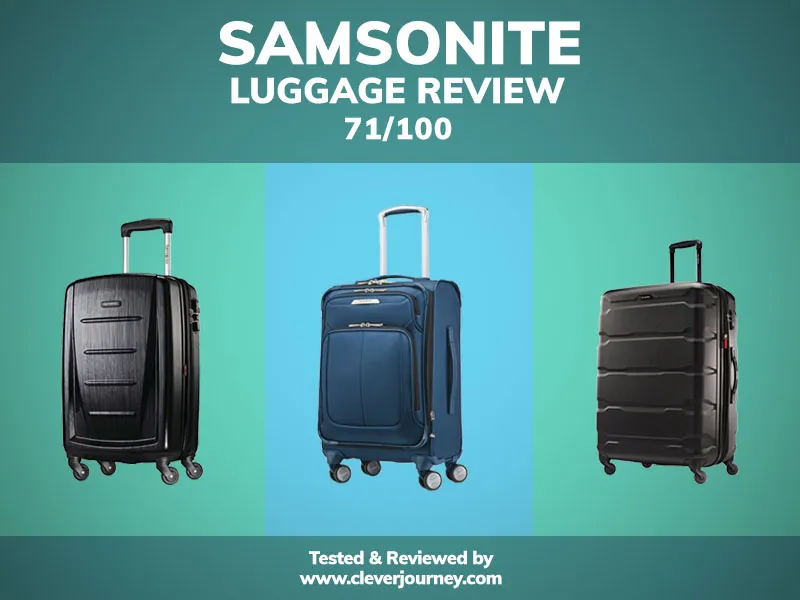
The Samsonite Freeform Carry-On Spinner is the best Samsonite starting point for most travelers because it keeps the value, weight, and availability advantages that make Samsonite appealing. Samsonite lists the Freeform carry-on at 23 x 15 x 10 inches overall and 6.5 lb, so it is light, but you should still check airline sizing if you fly strict carriers.
Best Samsonite Budget Hardside: Omni PC
The Samsonite Omni PC is a good cheaper hardside pick if the price is much lower than Freeform. It uses a polycarbonate shell and has a scratch-resistant texture, spinner wheels, expansion, and a TSA lock. The trade-off is that it is a basic value bag, not a premium-feeling suitcase.
Best Tumi for Business Travel: Alpha 3 Continental Dual Access
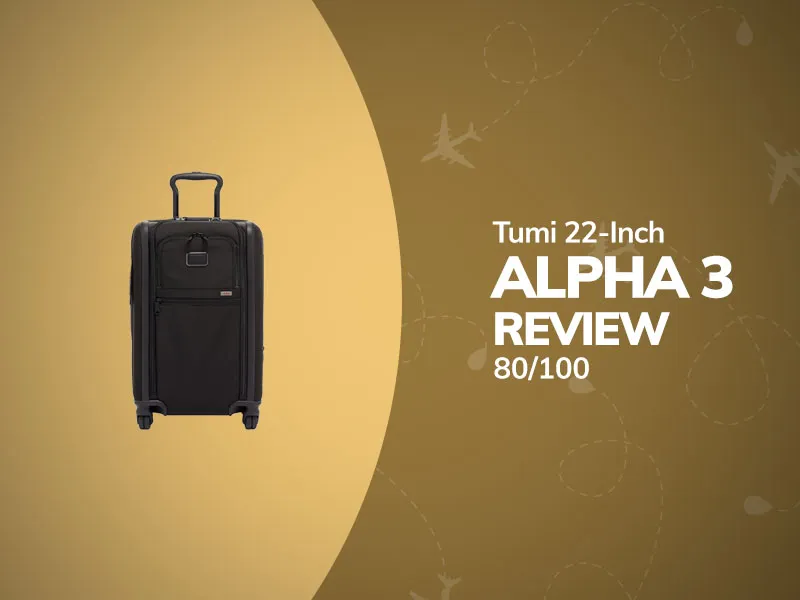
The Tumi Alpha 3 Continental Dual Access Carry-On is the Tumi bag that makes the most sense if you are comparing the brands for frequent business travel. Current Tumi versions list features such as dual access to the main compartment, a removable garment sleeve, USB-C port, TSA lock, dual spinner wheels, protective bumper rails, and TUMI Tracer. The downside is the weight: Tumi lists some current Alpha dual-access carry-ons at about 11.1 lb.
Best Tumi Hardside Alternative: Latitude or 19 Degree
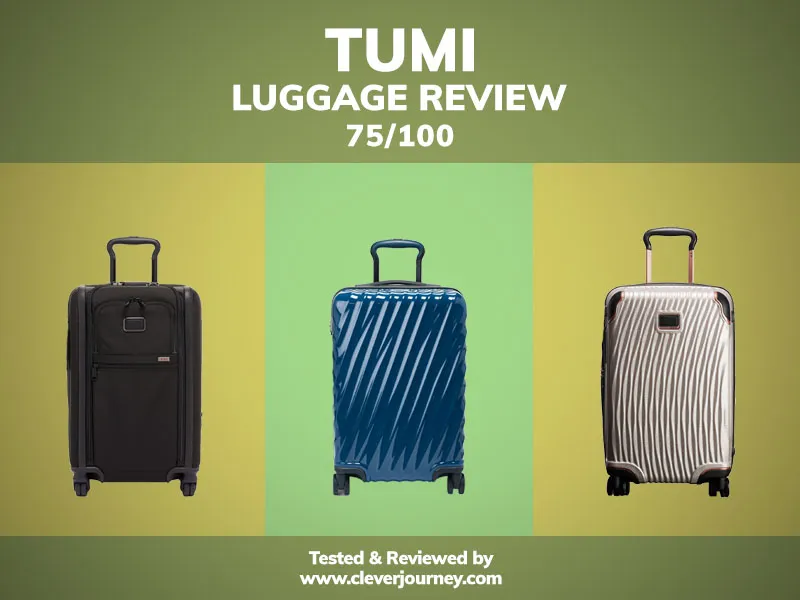
If you want Tumi but do not want a heavy softside business bag, compare the Tumi Latitude and Tumi 19 Degree carry-ons. They keep the premium feel and TUMI Tracer advantage while feeling cleaner and less office-focused than Alpha. They are better personal-preference picks if you want Tumi design more than a garment sleeve.
Final Verdict: It Comes Down to Preference, Not One Universal Winner
Choose Samsonite if you want a lighter, practical suitcase at a much lower price. It is the better personal choice for vacation travel, occasional work trips, students, families, and anyone who would rather spend the savings on the trip itself.
Choose Tumi if you want premium materials, business organization, and a more refined ownership experience. It is the better personal choice for frequent flyers, consultants, executives, lawyers, sales travelers, and anyone who packs formal clothing often enough to use the built-in organization.
Samsonite vs Tumi: Frequently Asked Questions
Is Tumi better than Samsonite?
Tumi is better for premium materials, business organization, and frequent travel durability. Samsonite is better for value, lighter options, and most casual or regular travelers. The better choice depends on how often you travel and whether you need Tumi’s business features.
Is Samsonite cheaper than Tumi?
Yes. Samsonite usually costs far less than Tumi. Exact prices change by model and sale, but Samsonite is positioned as the mainstream brand while Tumi is positioned as the premium business-travel brand.
Are Samsonite and Tumi the same company?
Tumi is owned by Samsonite Group. Samsonite acquired Tumi in 2016, but the brands are still positioned differently: Samsonite is mainstream luggage, while Tumi is premium luggage and business travel gear.
Which brand is lighter, Samsonite or Tumi?
Samsonite is usually lighter, especially when compared with Tumi’s feature-heavy softside business carry-ons. Some Tumi hardside carry-ons are reasonably light, but Tumi Alpha-style business bags can be much heavier.
Which brand has the better warranty?
Tumi has stronger first-year coverage for many products, including some airline and transit mishandling coverage for functional or structural damage. Samsonite commonly offers a longer limited warranty term, often 10 years, but it generally covers manufacturing defects and excludes airline damage.
Which Samsonite and Tumi bags should I compare first?
For Samsonite, start with Freeform or Omni PC if you want value hardside luggage. For Tumi, start with Alpha 3 if you want business-travel organization, or Latitude and 19 Degree if you want a cleaner hardside premium carry-on.
For more comparisons, see our guides to the best luggage brands, Tumi vs Away, Samsonite vs Travelpro, and the most durable luggage brands.