Reader-supported. We may earn a commission on purchases through our links. Disclosure ›

Good packing is not about cramming more into your suitcase. It is about packing the right things, in the right order, in the right bag. A smart packing system helps you avoid overweight baggage fees, TSA delays, forgotten chargers, leaking toiletries, and the stress of digging through your bag at the airport.
This packing guide covers the practical techniques, tools, and travel rules that actually matter. Whether you are trying to fit a week of clothes into a carry-on, organize your suitcase with packing cubes, or figure out what TSA allows through security, start here.
Packing Guide Basics: Start With the Right Mindset
Most travelers pack too much, too late, and without a system. That usually leads to bulky bags, missing essentials, and last-minute airport stress.
These three principles fix most packing problems:
- Pack outfits, not random items. Six shirts and three pairs of pants only help if they actually work together. Plan complete outfits by day, activity, and weather.
- Roll soft clothing instead of folding everything. Rolling can help reduce bulk, make items easier to see, and work especially well with packing cubes.
- Pack the night before, not the morning of. Last-minute packing is when people forget chargers, overpack toiletries, and bring bags that are too heavy.
The best packing strategy is simple: decide what you need, remove what you will not use, and make sure every item has a clear purpose.
1. Choose the Right Bag Before You Pack
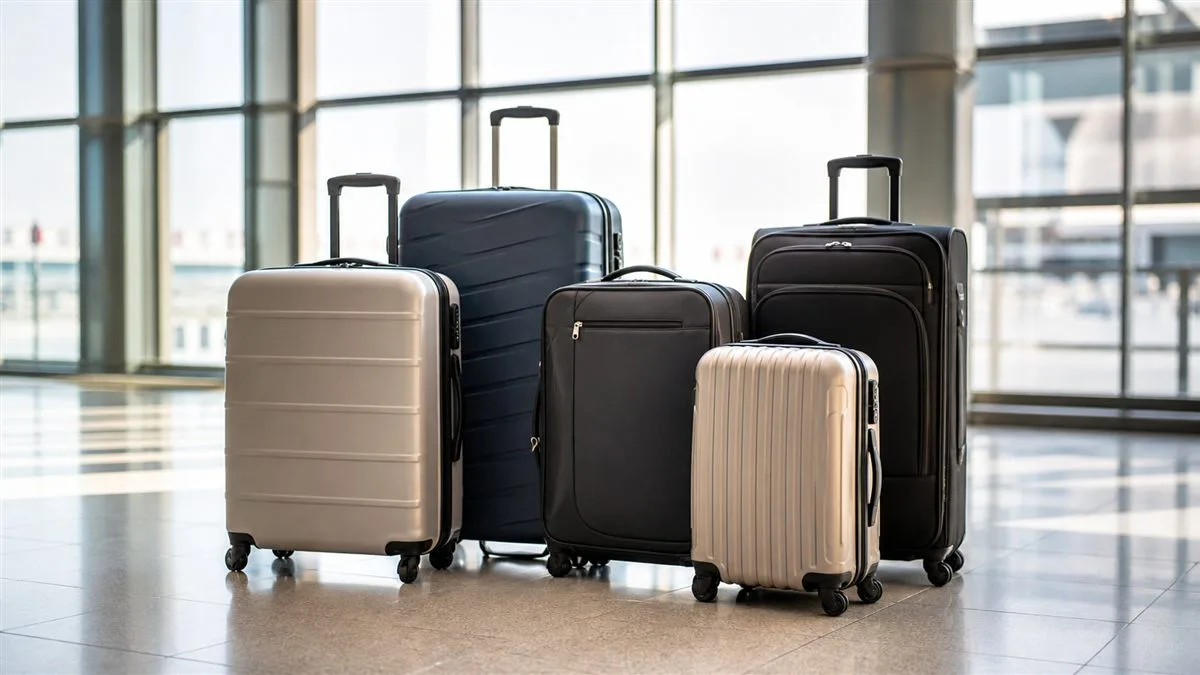
Your bag determines your packing limits before you add a single item. A carry-on, personal item, checked suitcase, backpack, and duffel all work differently.
Use this general rule:
- Personal item: Best for short budget airline trips, laptop bags, purses, small backpacks, and underseat travel.
- Carry-on: Best for weekend trips, business travel, and most one-week trips if you pack light.
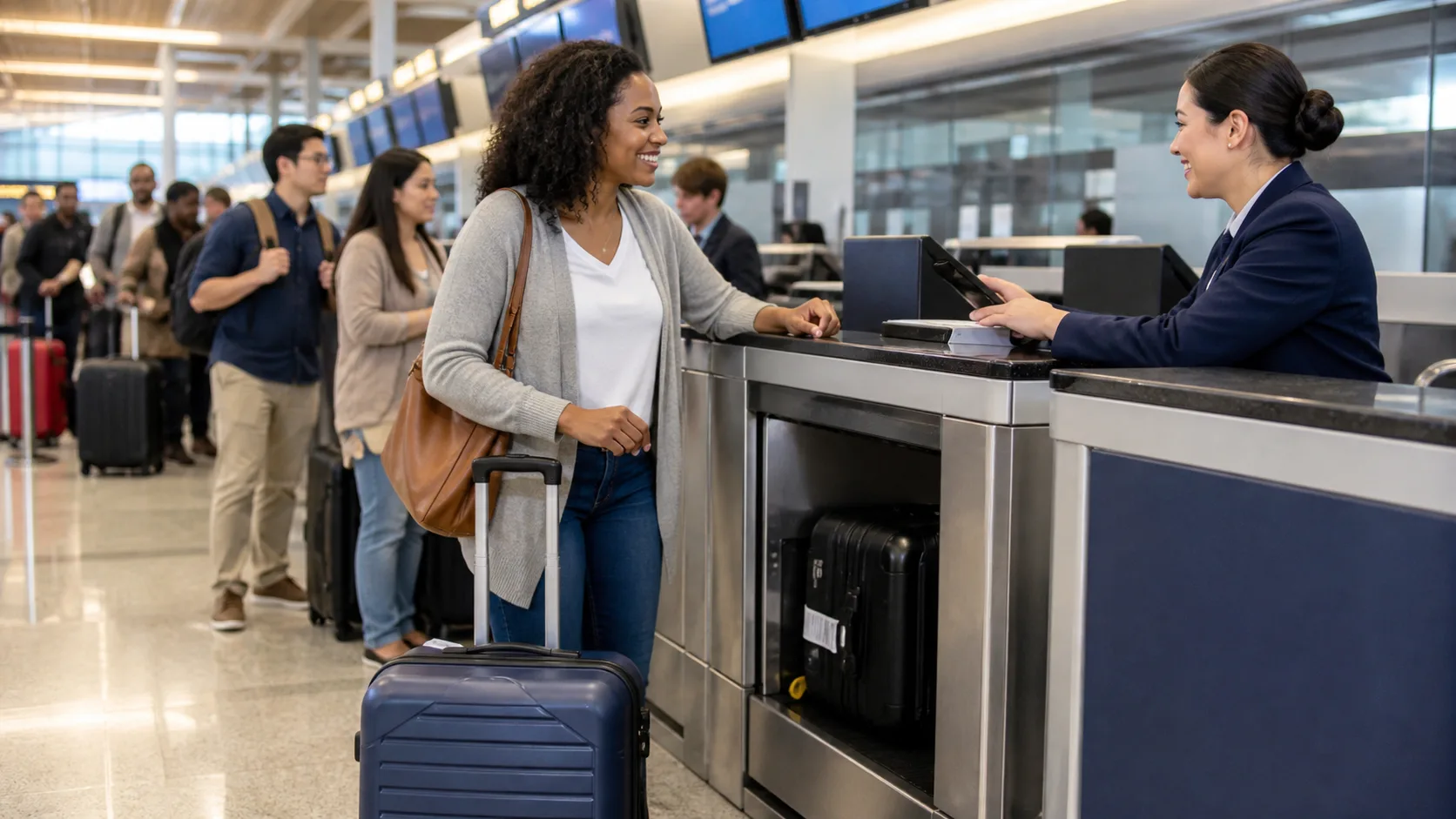
- Checked luggage: Best for longer trips, bulky clothing, family travel, formalwear, or gear-heavy vacations.
- Travel backpack: Best for Europe, hostels, train travel, uneven streets, and trips where stairs are common.
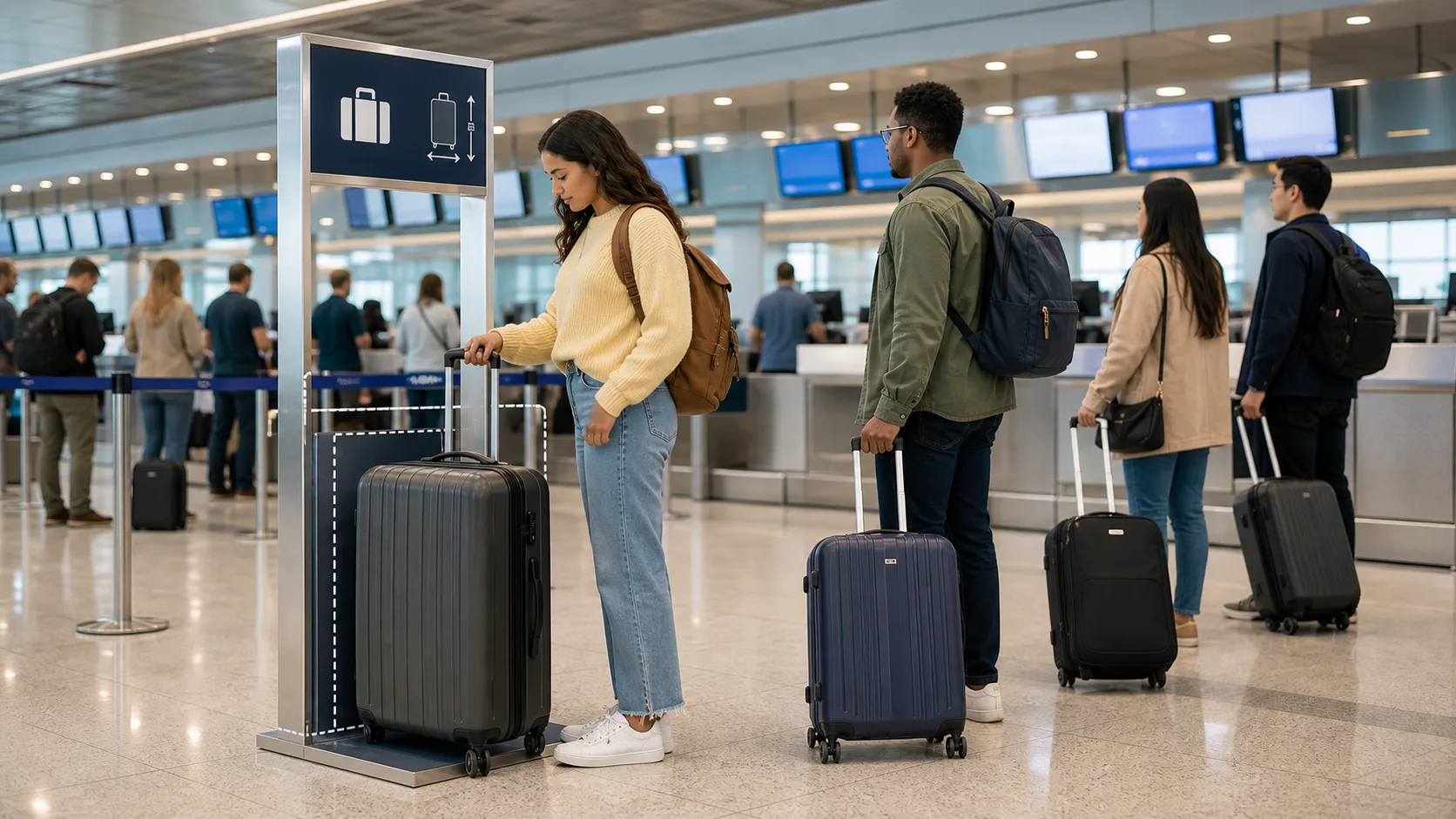
If your airline has strict baggage rules, check the allowed dimensions before packing. Budget airlines often charge more for carry-ons, while full-service airlines may include a carry-on and personal item.
2. How to Pack a Carry-On
Carry-on packing is where skill matters most. You are working with limited space, airline size limits, and items you may need during the flight.
Start with the essentials:
- Travel documents and ID
- Phone, charger, and power bank
- Medication and medical items
- One backup outfit
- Toiletries in TSA-approved sizes
- Valuables and electronics
- Snacks and empty water bottle
Then add clothing based on complete outfits, not individual pieces. A good carry-on should feel organized, not stuffed to the limit.
Helpful carry-on guides:
- Carry-On Packing Tips
- What to Pack for Air Travel
- Carry-On Size Guide by Airline
- Carry-On Rules for International Flights
- How to Pack Shoes in a Suitcase
3. Use Packing Cubes for Organization
Packing cubes are one of the easiest upgrades for suitcase organization. They keep clothing separated, make it easier to find items, and help prevent your whole suitcase from exploding when you need one shirt.
Use packing cubes by category:
- Large cube: Pants, sweaters, or bulkier clothing
- Medium cube: Shirts and everyday outfits
- Small cube: Underwear, socks, swimwear, or sleepwear
- Separate pouch: Laundry, accessories, or electronics
Packing cubes are especially useful for family travel, shared suitcases, multi-city trips, and any vacation where you will unpack and repack more than once.
Helpful packing cube guides:
- Complete Packing Cubes Guide
- Are Packing Cubes Worth It?
- Do Packing Cubes Save Space?
- Are Packing Cubes TSA Approved?
- How Much Do Packing Cubes Weigh?
4. Follow TSA Rules Before You Pack Liquids
TSA rules affect how you pack your carry-on, especially toiletries, food, batteries, sharp items, and medical liquids.
The rule that catches the most travelers is the 3-1-1 liquids rule. Liquids, gels, creams, pastes, and aerosols in carry-on bags usually need to be in containers of 3.4 ounces or 100 ml or less, and they need to fit in one quart-size clear bag.
This includes obvious liquids like shampoo and lotion, but also items travelers often forget:
- Toothpaste
- Sunscreen
- Hair gel
- Peanut butter
- Yogurt
- Hummus
- Jam or jelly
- Creamy dips and sauces
Before flying, check the official TSA What Can I Bring tool for unusual items or anything you are unsure about.
Helpful TSA packing guides:
- Quart-Sized Bag Rule for Flights
- The 100ml Liquid Rule Explained
- Complete TSA Rules Overview
- What Can I Bring on a Plane?
5. Keep Batteries, Medication, and Valuables in Your Carry-On
Some items should never go in checked luggage. Even if they are technically allowed, checked bags can be delayed, damaged, or lost.
Keep these items in your carry-on or personal item:
- Prescription medication
- Passport, ID, and travel documents
- Phone, laptop, camera, and tablets
- Power banks and spare lithium batteries
- Jewelry and valuables
- House keys and car keys
- Essential baby supplies
- One backup outfit
Spare lithium batteries and power banks should travel in carry-on baggage, not checked luggage. If your carry-on gets gate-checked, remove power banks and spare batteries before handing over the bag.
6. Build a Packing List by Trip Type
A good packing list saves time and prevents the “did I forget something?” feeling at the airport. The best list depends on your destination, weather, trip length, and activities.
Use this simple framework:
- Weekend trip: 2 to 3 outfits, one pair of shoes, small toiletry kit, charger, pajamas, and travel documents.
- One-week trip: 5 to 7 outfits, laundry plan, weather layers, toiletries, backup outfit, and destination-specific items.
- International trip: Passport, adapters, medication, travel insurance details, printed backups, and destination entry documents.
- Family trip: Extra clothes, snacks, baby gear, medication, comfort items, stroller/car seat plans, and backup supplies.
Helpful checklist guides:
- International Travel Packing Checklist
- The Ultimate Travel Checklist
- Packing Tips for International Travel
- General Packing Tips
7. Know Your Personal Item Rules
Your personal item is the smaller bag that fits under the seat in front of you. It is separate from a carry-on, but airlines define size limits differently.
This matters most on budget airlines, where a personal item may be included but a carry-on costs extra. If your personal item is too large, you may be charged at the gate.
Good personal item options include:
- Small backpack
- Laptop bag
- Compact tote
- Small duffel
- Purse or crossbody bag
- Underseat travel bag
Helpful personal item and family travel guides:
- What Counts as a Personal Item on a Plane?
- Does a Diaper Bag Count as a Carry-On?
- Can You Bring a Car Seat on a Plane?
- Underseat Luggage Size Guide
8. Use Simple Tools That Make Packing Easier
You do not need a lot of travel gear to pack well. A few simple tools make the biggest difference.
- Packing cubes: Best overall tool for suitcase organization.
- Compression bags: Useful for bulky clothing like jackets, sweaters, and winter layers.
- Travel-size bottles: Better than buying new mini toiletries for every trip.
- Quart-size clear bag: Keep one in every carry-on for TSA liquids.
- Luggage scale: Helps avoid overweight baggage fees.
- Universal adapter: Essential for international trips.
- Laundry bag: Keeps dirty clothing separate from clean outfits.
For luggage that fits your packing style, see our complete luggage guide. For weight management, see our guide on how to weigh luggage.
9. Adjust Your Packing Strategy by Trip Type
The best packing guide advice changes depending on how you travel. A business trip, beach vacation, European backpacking trip, and family vacation all require different bags and priorities.
Business Travel
Business travel usually needs wrinkle-resistant clothing, laptop protection, and easy access to chargers, documents, and toiletries. Garment-friendly luggage can help if you need suits, dresses, or formalwear.
International Travel
International travel adds passport requirements, adapters, airline weight limits, weather variation, and sometimes stricter carry-on rules. Pack lighter than you think, especially if you will use trains, stairs, or small hotel rooms.
Family Travel
Family packing is less about minimalism and more about preventing avoidable problems. Pack extra outfits, snacks, medication, diapers if needed, and enough backup supplies for delays.
- Can You Bring a Car Seat on a Plane?
- Does a Diaper Bag Count as a Carry-On?
- Can You Bring a Stroller on a Plane?
Related Packing Guides
These related guides are the best next reads if you want to pack smarter:
- Carry-On Packing Tips
- Complete Packing Cubes Guide
- International Travel Packing Checklist
- Carry-On Luggage Size Guide by Airline
- What Can I Bring on a Plane?
Packing Guide: Frequently Asked Questions
How do I pack a week’s worth of clothes in a carry-on?
Plan outfits instead of packing random clothing. Choose pieces that mix and match, roll soft clothing, use packing cubes, wear your bulkiest items on the plane, and avoid packing “just in case” extras. For longer trips, choose quick-drying fabrics and plan to do laundry.
Are packing cubes really worth it?
For most travelers, yes. Packing cubes keep clothing organized, make items easier to find, and help separate clean clothes from dirty clothes. They are especially useful for carry-ons, family trips, and multi-city itineraries.
What is the easiest way to remember the TSA liquids rule?
Remember 3-1-1: 3.4 ounce containers, 1 quart-size bag, and 1 bag per passenger. Solid items usually do not count, but gel-like foods and toiletries often do.
Should medication go in carry-on or checked luggage?
Medication should go in your carry-on or personal item. Checked bags can be delayed or lost, and you do not want to be without important medication during your trip. Liquid medications may be exempt from the standard TSA liquid limit when medically necessary.
How do I avoid overweight baggage fees?
Use a luggage scale at home before leaving for the airport. Remove heavy extras, wear bulky items, and move small dense items to your personal item if allowed. Always check your airline’s weight limits, especially for international flights.
What should I never pack in checked luggage?
Do not check passports, IDs, medication, power banks, spare lithium batteries, expensive electronics, jewelry, house keys, travel documents, or anything you would be upset to lose. Keep those items in your carry-on or personal item.
Is it better to roll or fold clothes?
Rolling works well for casual clothing, T-shirts, leggings, pajamas, and soft fabrics. Folding can be better for structured clothing, dress shirts, blazers, and formalwear. Many travelers get the best result by rolling casual clothes and folding structured items.
How early should I start packing?
Start your list several days before the trip, then pack the night before. This gives you time to wash clothes, charge electronics, refill travel bottles, check the weather, and avoid last-minute overpacking.
Final Thoughts
The best packing system is simple, repeatable, and realistic. Choose the right bag, pack by outfit, organize with cubes, follow TSA rules, and keep your most important items in your carry-on.
Use this packing guide as your starting point, then check the detailed guides above for specific questions about carry-ons, packing cubes, liquids, personal items, and international travel. A little planning before you leave can make the entire trip easier.