Reader-supported. We may earn a commission on purchases through our links. Disclosure ›
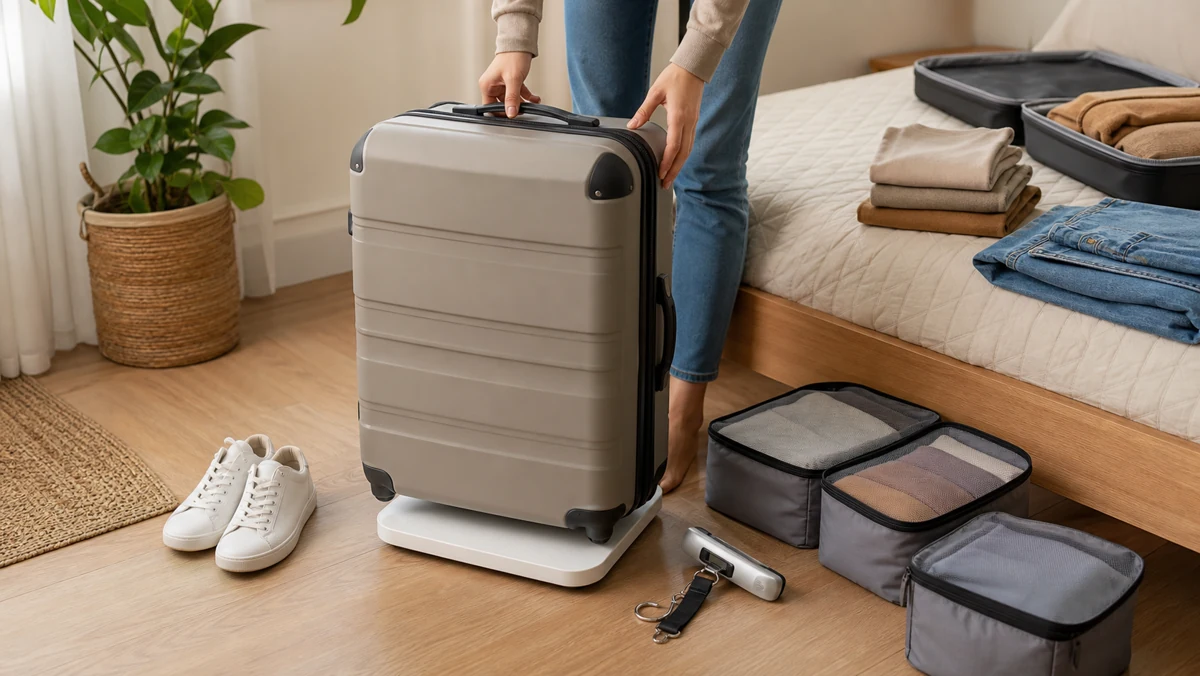
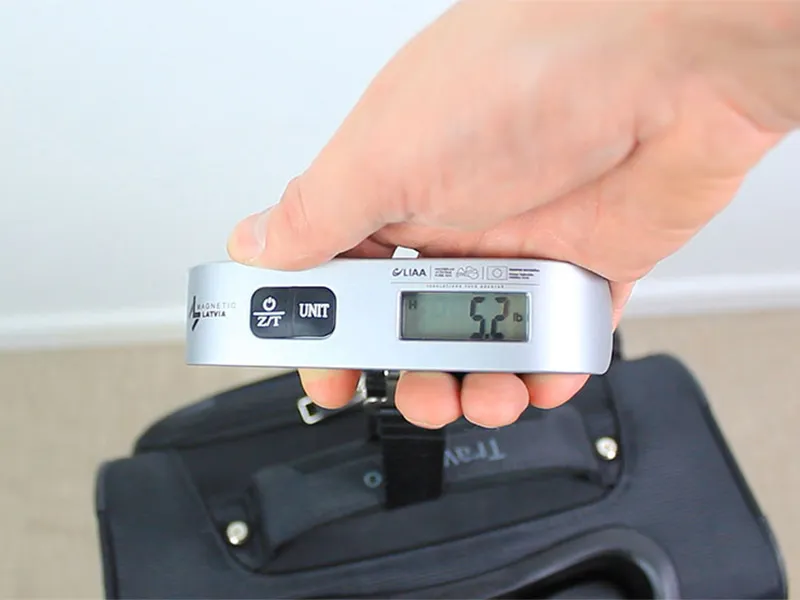
The easiest way to weigh luggage at home is with a handheld luggage scale. Clip it to the handle, lift the bag for a few seconds, and compare the result with your airline’s weight limit. If you do not have a luggage scale, use a bathroom scale by weighing yourself first, then weighing yourself while holding the suitcase and subtracting the difference.
Learning how to weigh luggage at home is worth it because many airlines use 50 pounds as the standard checked-bag limit for economy tickets, while carry-on limits vary more by airline and country. A two-minute check at home is much easier than repacking at the ticket counter.
Helpful luggage weighing tools
These affiliate links are practical tools for avoiding overweight bag fees before you leave home.
Best tool
Digital luggage scale
The easiest way to weigh a suitcase at home and again before the return flight.
Leave a 1-2 lb buffer for airport scale differences.
Backup method
Bathroom scale
Works with the subtraction method if you do not own a dedicated luggage scale.
Use the higher of two repeated readings.
Repacking help
Packing cubes
Makes it easier to move heavy items between bags without turning the suitcase into a mess.
Useful when balancing weight between bags.
How to Weigh Luggage at Home: Quick Methods
- Best method: handheld luggage scale.
- Best backup: bathroom scale subtraction method.
- No scale: compare against known weights, then confirm at the airport early.
- Checked bag target: stay 1-2 pounds under the airline limit to allow for scale differences.
- Carry-on target: check the specific airline because U.S. domestic carry-ons often have size limits but not always weight limits.
Method 1: Use a Handheld Luggage Scale
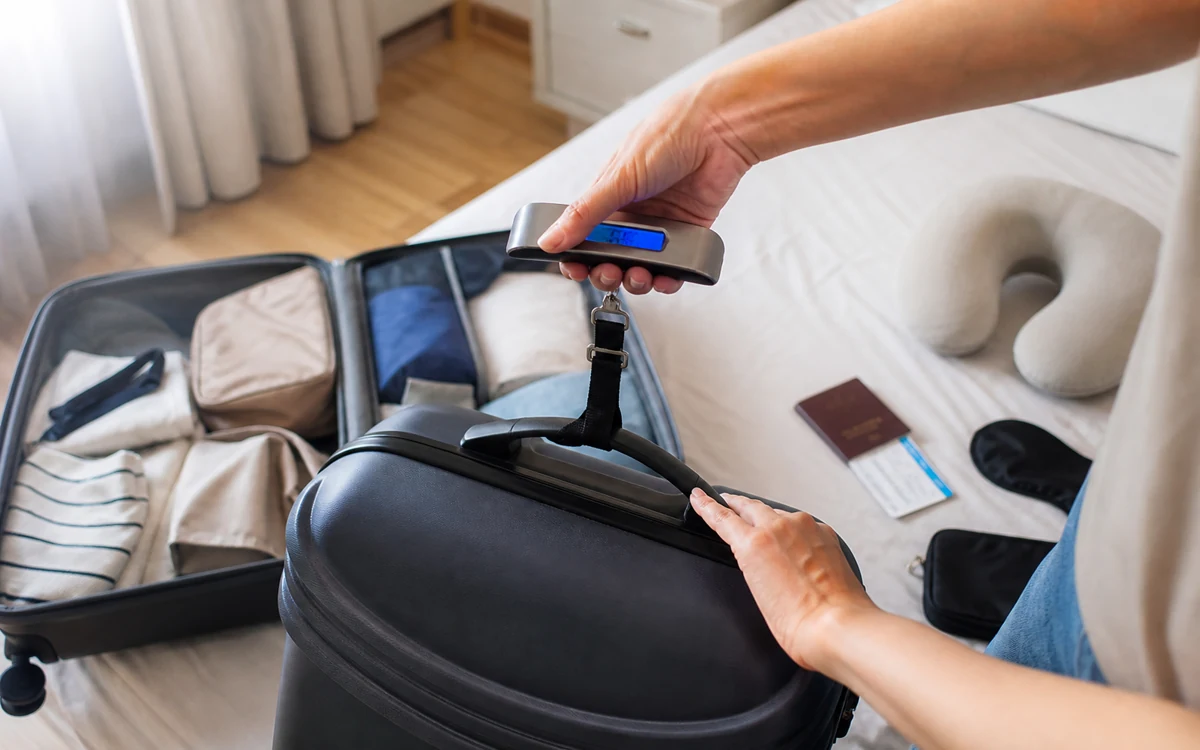
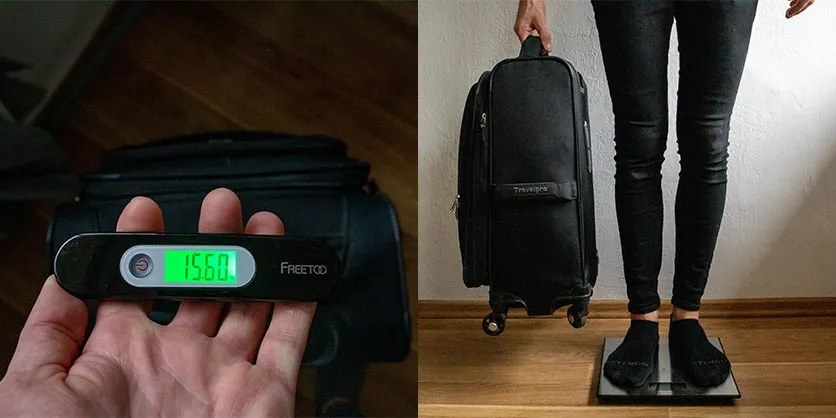
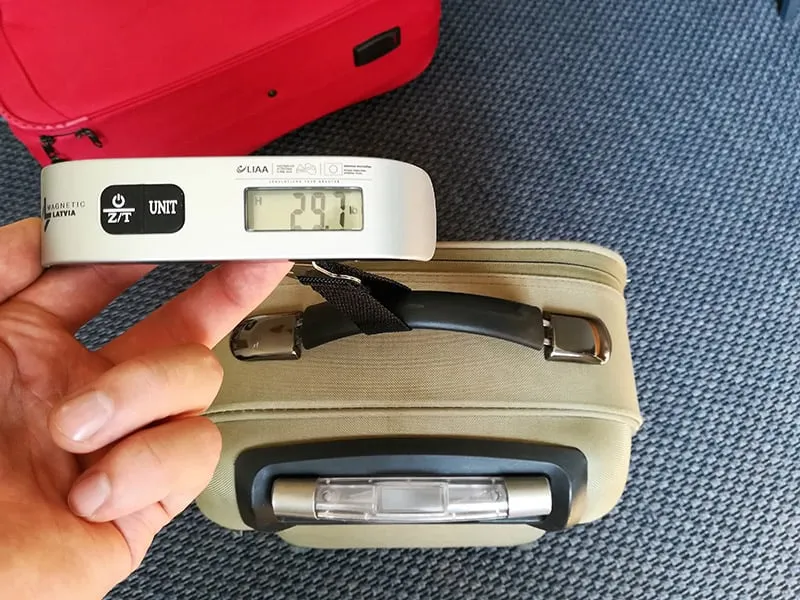
A luggage scale is the most accurate and least awkward method for most travelers. Attach the strap to the suitcase handle, lift slowly with both hands, wait for the number to lock, and set the bag down. Repeat once to confirm the result.
If you travel even a few times a year, a small digital luggage scale is one of the simplest packing tools to keep at home. It is especially useful for families, international flights, and trips where souvenirs may make the return bag heavier.
Method 2: Use a Bathroom Scale
If you do not have a luggage scale, use this bathroom-scale method:
- Step on the scale without the suitcase and note your weight.
- Step on the scale while holding the suitcase.
- Subtract your weight from the combined weight.
- Repeat once and use the higher reading.
This works best for medium-size checked bags. If you rely on this method often, a simple digital bathroom scale is useful because the reading is easier to repeat than with an older dial scale. If the suitcase is too large to hold safely, do not strain your back. Ask another adult to help or use the airport scale early.
Method 3: Weigh Luggage Without a Scale
No-scale methods are estimates, not guarantees. You can compare the bag with known weights, such as a 25-pound dumbbell, a full 24-pack of water, or a pet-food bag with a printed weight. Lift the known item, then lift your suitcase and compare the effort.
This is good enough to tell whether a bag is obviously light or dangerously heavy. It is not good enough when you are close to the limit. If you estimate at home, arrive early and use an airport scale before joining the bag-drop line.
Know the Airline Weight Limit Before You Pack
Many U.S. airlines use 50 pounds or 23 kg as the standard checked-bag weight limit for economy passengers, with higher limits for some premium cabins or elite benefits. Size also matters. American Airlines and Southwest both describe standard checked-bag sizing around 62 linear inches, measured by adding length, width, and height.
Check your airline’s page before you pack because fees and limits can change by route, cabin, loyalty status, and destination. Our checked baggage size guide explains the 62-linear-inch rule, and our international baggage allowance guide covers why international limits can be different.
What to Do if Your Bag Is Too Heavy
- Move dense items to carry-on. Shoes, books, chargers, and toiletries add weight quickly, but keep liquids within TSA limits.
- Wear the heaviest clothing. Jackets, boots, and sweaters are easier to wear than check.
- Remove duplicates. Extra jeans, shoes, and full-size toiletries are common weight problems.
- Split weight between bags. If two travelers are checking bags, balance them before leaving home. Packing cubes make this easier because you can move one cube at a time instead of unpacking the whole suitcase.
- Use a spare foldable bag if needed. A foldable travel duffel can help if paying for a second checked bag is cheaper than an overweight fee.
- Buy a second bag only when fees make sense. Sometimes paying for a second checked bag is cheaper than overweight fees.
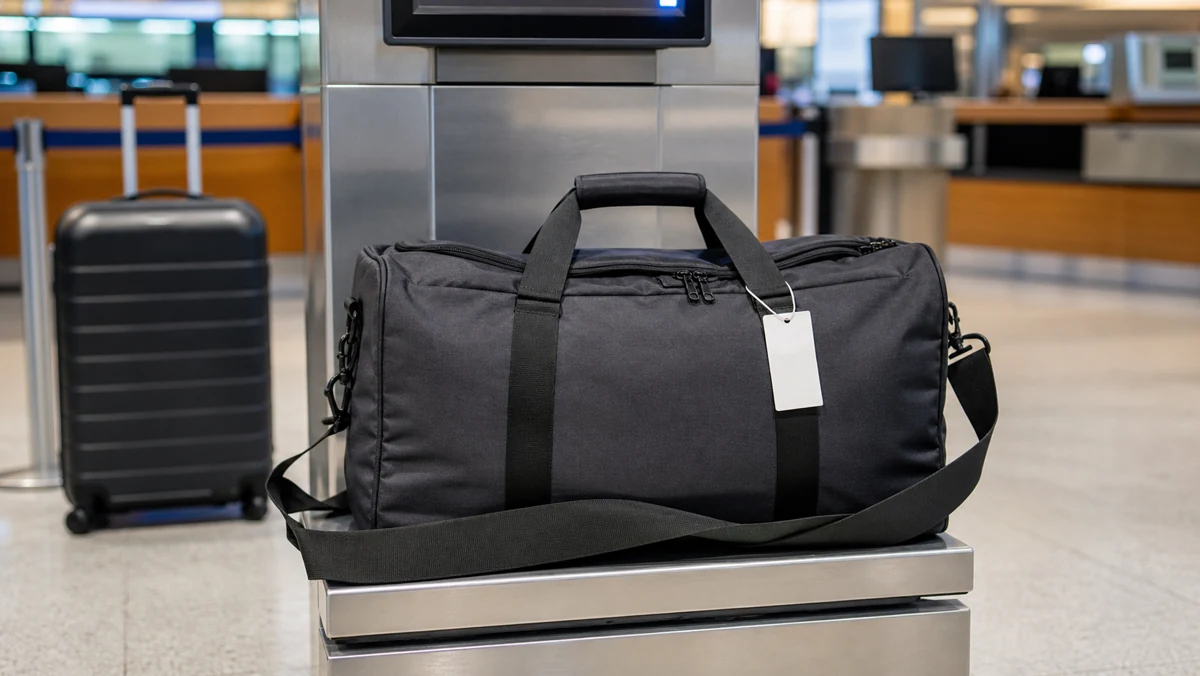
If you are using a duffel, read our guide to using a duffel bag as checked luggage because soft bags can bulge and become oversize even when the weight is fine.
The reason to learn how to weigh luggage at home is not just avoiding fees. It also helps you spot an overpacked bag early, when you still have time to move items, remove extras, or choose a better suitcase.

The practical answer for most travelers
The easiest way to weigh luggage at home is with a small digital luggage scale. If you do not have one, the bathroom-scale method works: weigh yourself, weigh yourself while holding the bag, and subtract the first number from the second.
Leave a little margin instead of aiming for the exact airline limit. Home scales and airport scales can disagree, and a 49.8 lb bag at home can become an awkward repacking session at the counter.
FAQs
What is the best way to weigh luggage at home?
A digital luggage scale is the easiest and most accurate option for most travelers. Hook it to the handle, lift the bag until it clears the floor, and read the weight after the number settles.
Can I use a bathroom scale to weigh a suitcase?
Yes. Weigh yourself first, then weigh yourself while holding the suitcase, and subtract your body weight. This works best with bags you can hold steadily for a few seconds.
How accurate are luggage scales?
Most decent luggage scales are accurate enough for travel, but they can still vary slightly from airline scales. Weigh the bag twice and leave a 1-2 lb buffer below the limit.
What if I do not have any scale at home?
Use a nearby gym, hotel, shipping store, luggage shop, or airport self-service area if available. If none of those are practical, pack conservatively and keep heavy items easy to move into a carry-on.
What is the common checked luggage weight limit?
Many economy checked bags use a 50 lb / 23 kg limit, but it depends on airline, route, cabin, status, and fare type. Always check your airline before relying on a general number.
How much under the weight limit should my bag be?
A 1-2 lb buffer is usually smart. Leave more room if you plan to buy souvenirs, pack wet clothing, or fly with an airline that is strict about overweight baggage.
What should I do if my bag is overweight at home?
Move dense items like shoes, books, toiletry bags, chargers, and jackets into another bag if allowed. Do not move power banks or spare lithium batteries into checked luggage; those belong in the cabin.
Can I weigh carry-on luggage too?
Yes. Carry-on weight limits matter on many international and budget airlines. Weigh both your carry-on and personal item if the airline lists limits for them.