Reader-supported. We may earn a commission on purchases through our links. Disclosure ›
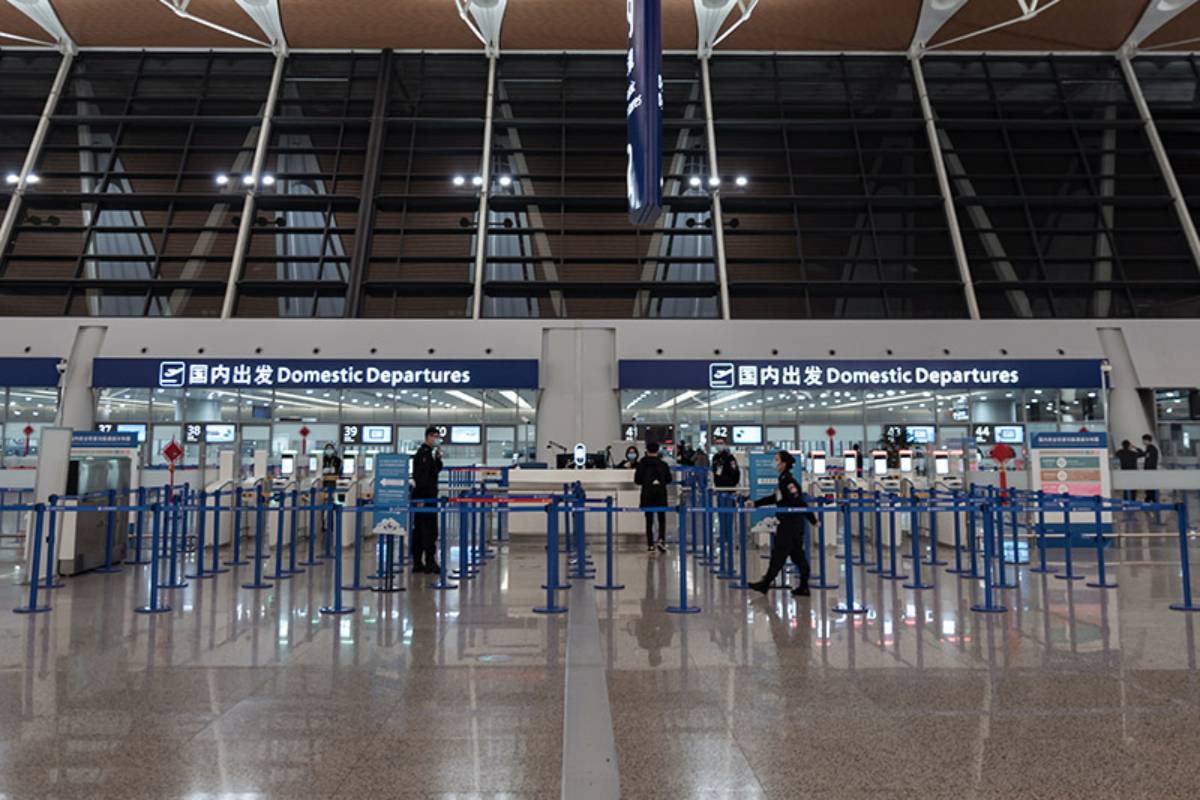
Show up too late, you miss your flight. Show up too early, you spend three hours at an airport gate when you could have been at home. Knowing exactly how early you can go through airport security saves both stress and time.
Here’s the actual breakdown of when security opens, when check-in counters open, and how early to arrive for both domestic and international flights.
The Earliest You Can Go Through Airport Security
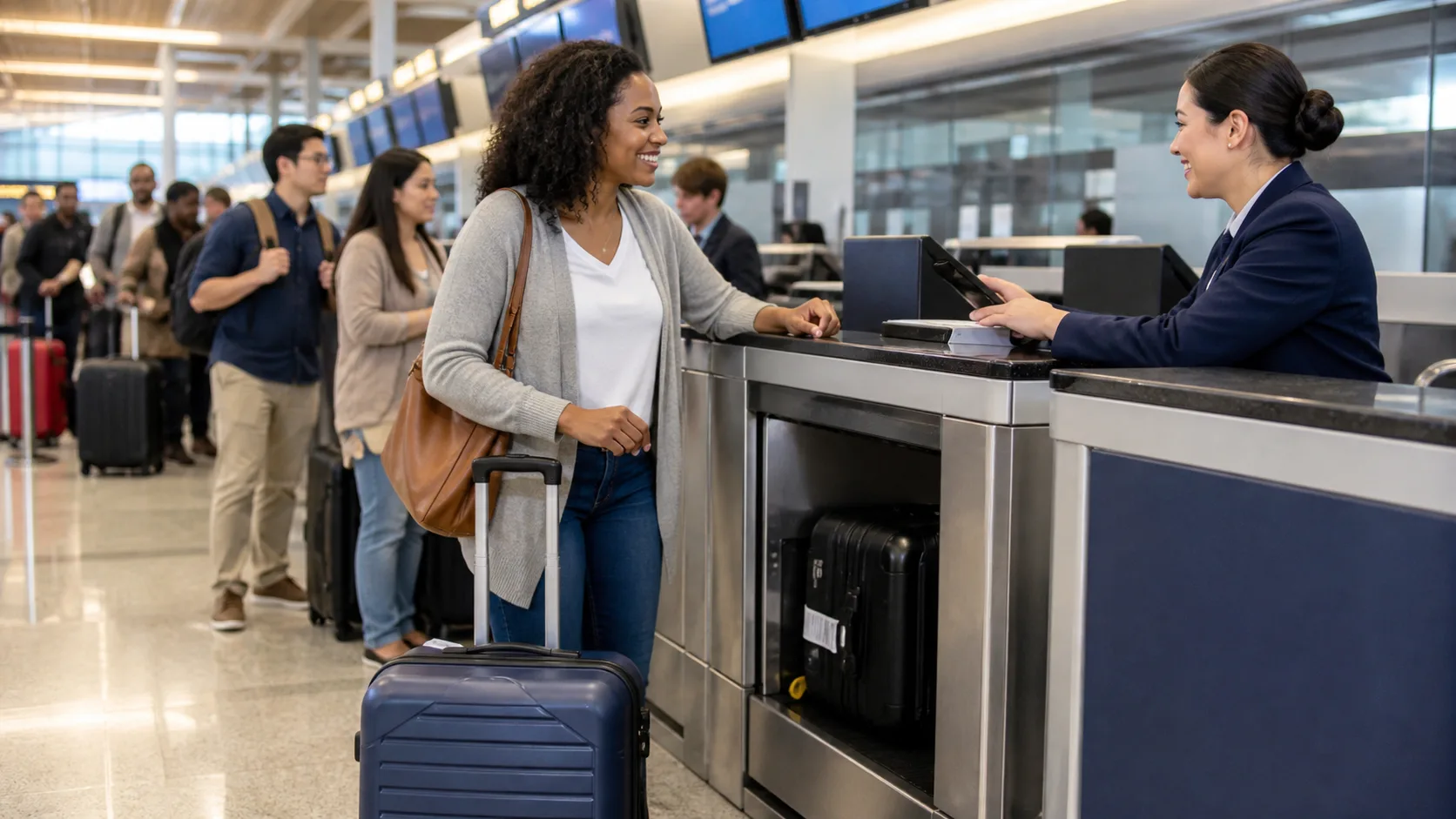
If you have checked luggage, the earliest you can go through security depends on when the airline’s check-in desk opens. Most US and European airlines open check-in 2-3 hours before departure. International flights often open earlier, 3-5 hours out. You can’t go through security until you’ve checked your bag, so the check-in desk hours are your effective limit.
If you’re carry-on only and you’ve already checked in online, you can usually go through security before the check-in counters open. The exact rules vary by airport, but most US airports allow security screening anywhere from 4-6 AM until late at night, with some 24-hour exceptions at major hubs like JFK, LAX, and ATL.
Most airports only allow you to go through security on the same day as your flight. A handful of airports (mostly large international hubs) let very early-morning travelers stay overnight in the terminal, but security still opens 1-2 hours before the first flight of the day. Call the airport directly if you’re trying to time a redeye or late-night arrival.
Tip: The fastest way to maximize your buffer is to travel carry-on only. Skip checked bag fees, skip the check-in line, and walk straight to security. The [amazon link=”B07BL7JXHV” title=”Travelpro Maxlite 5″] is a solid carry-on for this. I’ve used mine for years and it’s still going strong.
How Early to Arrive at the Airport
Domestic Flights
Standard guidance: arrive 2 hours before your flight. That gives you time to park, check in, clear security, and walk to your gate without sprinting.
You can shave that down to 60-90 minutes if all of these are true:
- Carry-on only (no checked bags)
- Already checked in online
- You have TSA PreCheck or Clear
- You’re flying off-peak (early Tuesday or late Wednesday is the easiest)
- You know the airport well
International Flights
Standard guidance: arrive 3 hours before your flight. International flights need extra time for visa checks, immigration paperwork, baggage screening for prohibited items in your destination country, and longer security lines.
The absolute minimum is 90-120 minutes, and only if you’re carry-on only and already have your boarding pass. Don’t cut it closer than that on international.
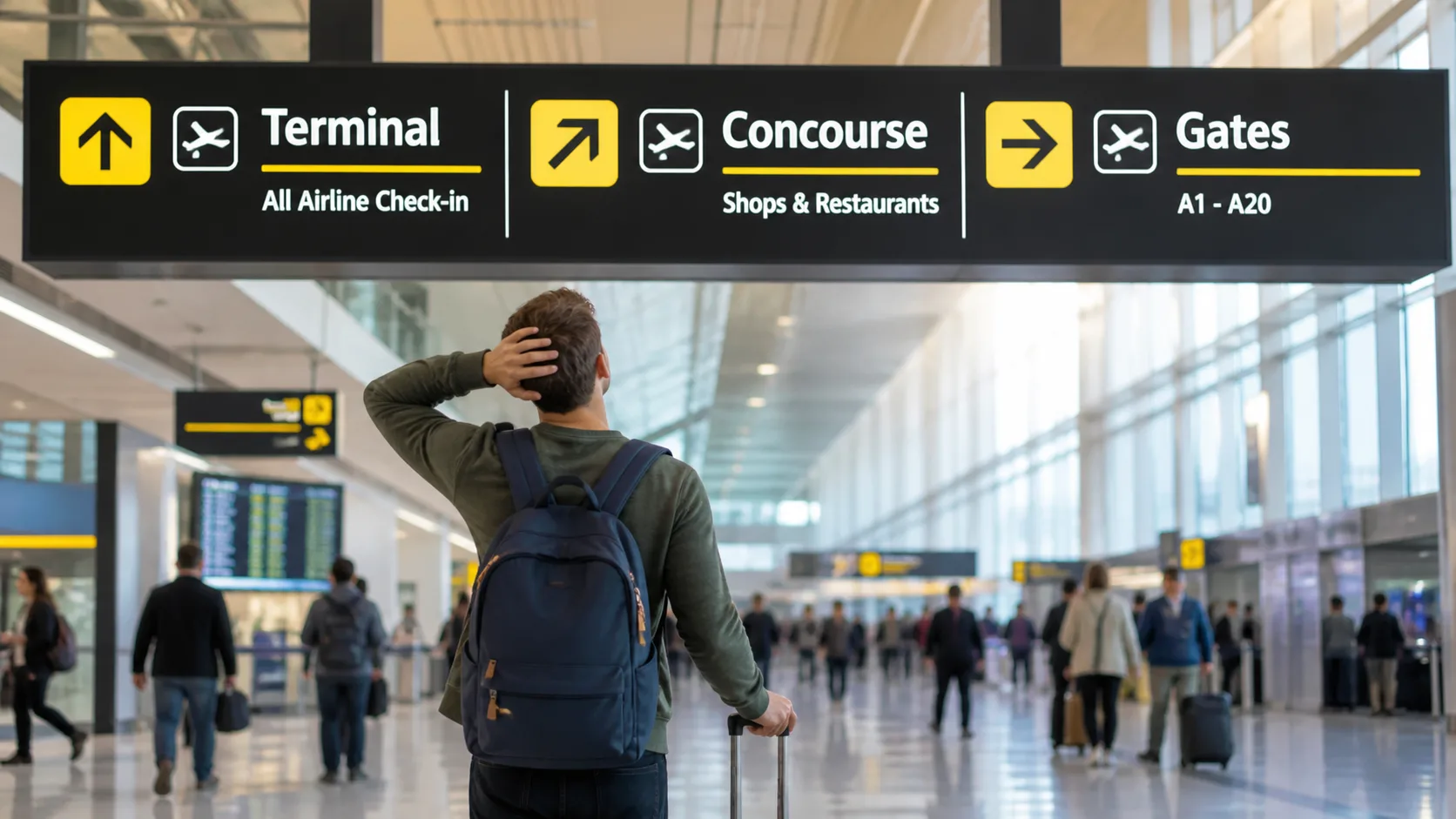
Read Next: What’s the Difference Between an Airport Concourse, Terminal, and Gate?
Things That Change How Early You Should Arrive
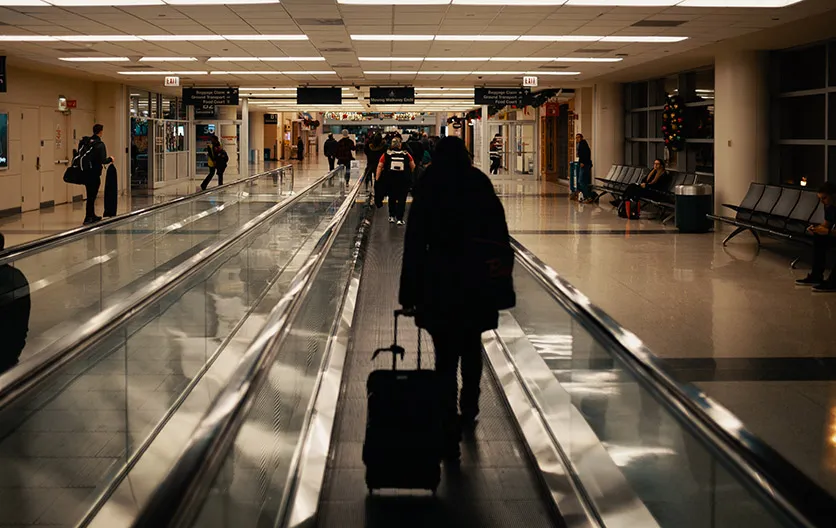
The 2-hour and 3-hour rules are starting points, not final answers. Real-world conditions can push you earlier or later by 30-60 minutes.
1. Budget Airlines: Add 20-30 Minutes
Budget carriers (Spirit, Frontier, Ryanair, Wizz Air, EasyJet) save money by minimizing staff. That means fewer check-in agents, longer lines, and stricter cutoffs. Some budget airlines close baggage drop a full hour before departure, even if their check-in line is still 30 people deep.
I’ve nearly missed a Ryanair flight because of an understaffed check-in counter. Get in line before it even opens for these carriers.
2. Holidays, Weekends, and Peak Season: Add 20-30 Minutes
Friday afternoons, Sunday evenings, summer months, Thanksgiving week, and Christmas week all bring full flights and packed security lines. Major hubs like ATL, ORD, JFK, LAX, and DFW can have 45-60 minute security waits during these periods.
Mid-day flights tend to be busier than early morning or late evening. If your schedule is flexible, the 6 AM departure has the shortest lines.
3. Large Airports: Add 15-20 Minutes
Some airports take 20-30 minutes just to walk from security to your gate. Atlanta, JFK, Schiphol, Heathrow, and Dubai are notorious for this.
I once almost missed a connecting flight at Schiphol because the airport is so big. Schiphol covers about 27 square kilometers, roughly 1/9 the size of Amsterdam itself. If your gate is in a far concourse, an inter-terminal train ride alone can eat 15 minutes.
4. Duty-Free Shopping: Add 20-30 Minutes
If you want time for duty-free or a sit-down meal post-security, build that in. Otherwise you’re rushing past the watch counter to make boarding.
5. Carry-On Only: Subtract 30-45 Minutes
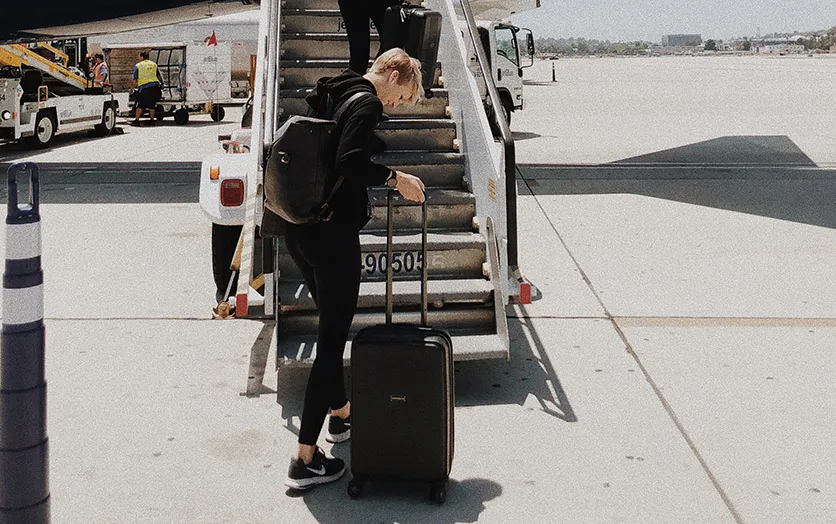
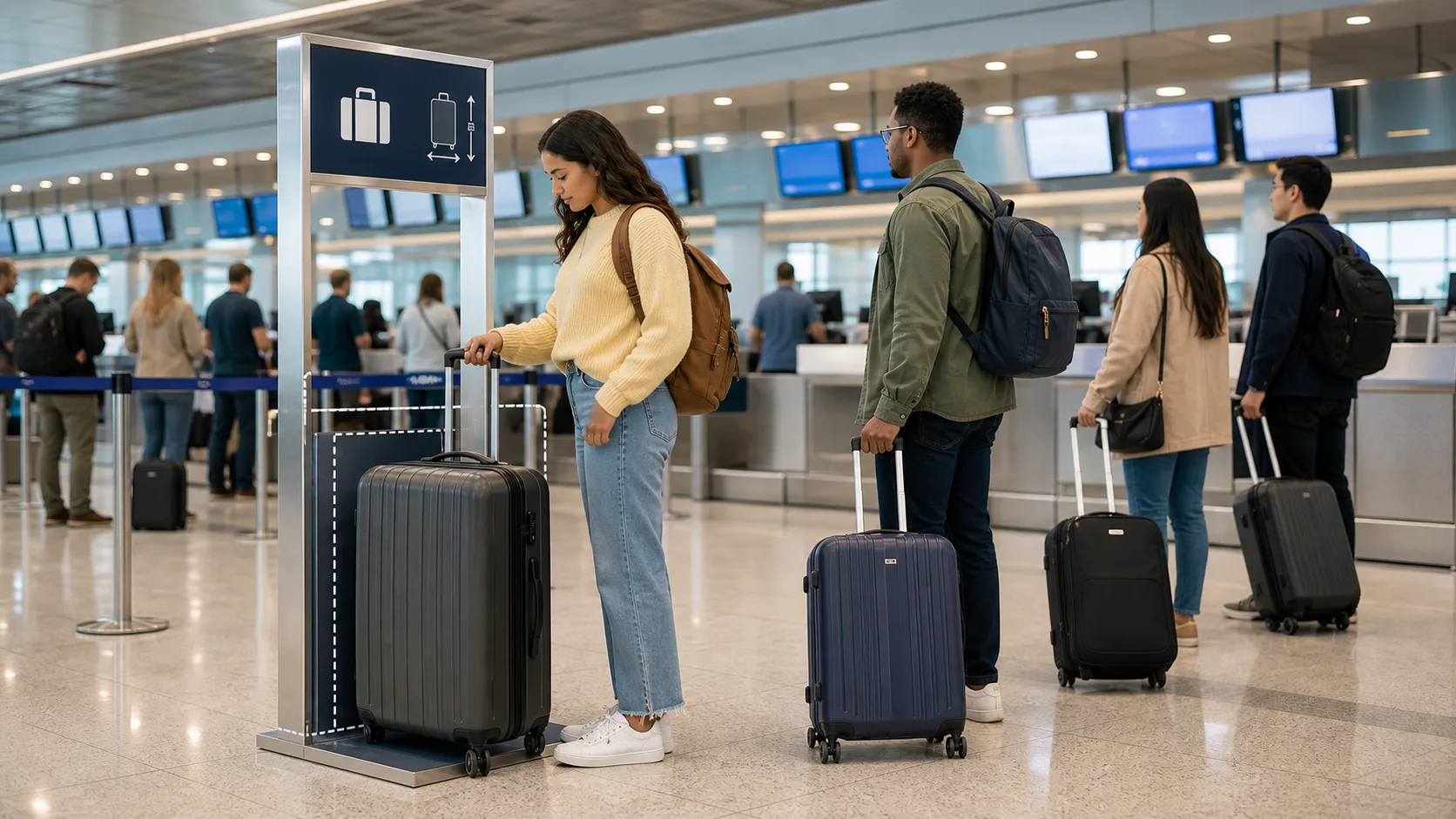
Skipping checked bags is the single biggest time saver. Print or save your boarding pass at home, and you can walk straight from the entrance to security without stopping at any counter.
For most trips, you can fit two weeks of clothing in a carry-on plus a personal item if you pack smart. Cubes help.
6. Check In Online: Subtract 15-30 Minutes
Online check-in opens 24-48 hours before departure for most airlines (some European budget carriers open it 30 days early). It saves time even if you’re checking a bag, since you’ll use the bag drop line instead of the full check-in line.
One catch: international flights to certain countries don’t allow online check-in because the airline needs to verify your visa or paperwork at the counter. Check in online anyway and they’ll let you know.
Read Next: Why Can’t I Check In Online?
7. TSA PreCheck or Clear: Subtract 10-30 Minutes
If you’re a US citizen, lawful permanent resident, or US national without disqualifying criminal records, TSA PreCheck is worth it. PreCheck members keep on shoes, belts, and jackets, leave laptops and liquids in bags, and use a separate (much shorter) line.
TSA PreCheck costs $77.95 for five years, $70 to renew. Many travel credit cards (Chase Sapphire Reserve, Amex Platinum, Capital One Venture) reimburse the application fee. Clear is a separate service that bypasses ID check, costs more ($199/year), and pairs well with PreCheck for the fastest possible screening.
8. Know the Security Rules in Advance
Knowing what to remove before you reach the bin saves a few minutes. The basics: 3-1-1 liquids rule, no prohibited items, jacket/belt/laptop/liquids out of the bag.
The travelers who slow lines down are the ones still figuring out which items to remove. Have everything pulled before your bag hits the X-ray belt.
Tip: Stop buying disposable Ziploc bags every flight. A reusable [amazon link=”B074WYPRZJ” title=”TSA-approved 1 quart-sized clear bag”] lives in your carry-on permanently.
9. Watch the Gate Closing Time
Boarding ends 15-20 minutes before departure. Gates typically close 15 minutes before takeoff, after which you cannot board even if the plane is still at the gate. Baggage drop closes 40-60 minutes before departure.
Both of these are usually printed on your boarding pass. Note them and back-time from there. If you’re running late, find the nearest open desk and let an agent know. They’ll often radio the gate to hold or fast-track you.
Quick Cheat Sheet
- Domestic, carry-on, off-peak: 60-90 minutes
- Domestic, checked bag, normal: 2 hours
- Domestic, checked bag, peak/holiday: 2.5 hours
- International, carry-on, off-peak: 2 hours
- International, checked bag, normal: 3 hours
- International, checked bag, peak/holiday: 3.5 hours
- Budget airline anywhere: Add 20-30 minutes to all of the above
Final Take on Airport Arrival Timing
The 2-hour rule for domestic and 3-hour rule for international hold up almost everywhere, with adjustments for budget airlines, peak travel, big airports, and how you’re packing.
If you fly more than a few times a year, get TSA PreCheck and start checking in online. Both pay for themselves in time saved within the first year. Carry-on only is the third move that compounds the savings.
The cheapest way to never miss a flight is to assume the airport will be busier than you think. Build in 30 minutes of buffer and use it for coffee instead of a sprint.