Reader-supported. We may earn a commission on purchases through our links. Disclosure ›
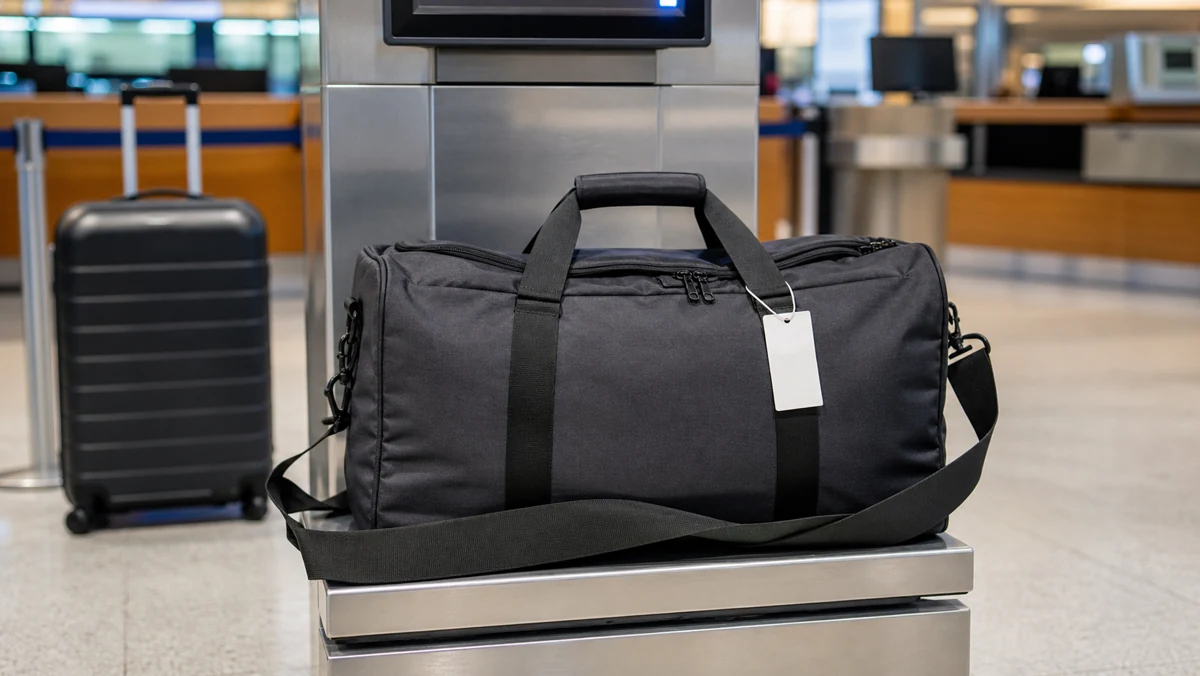
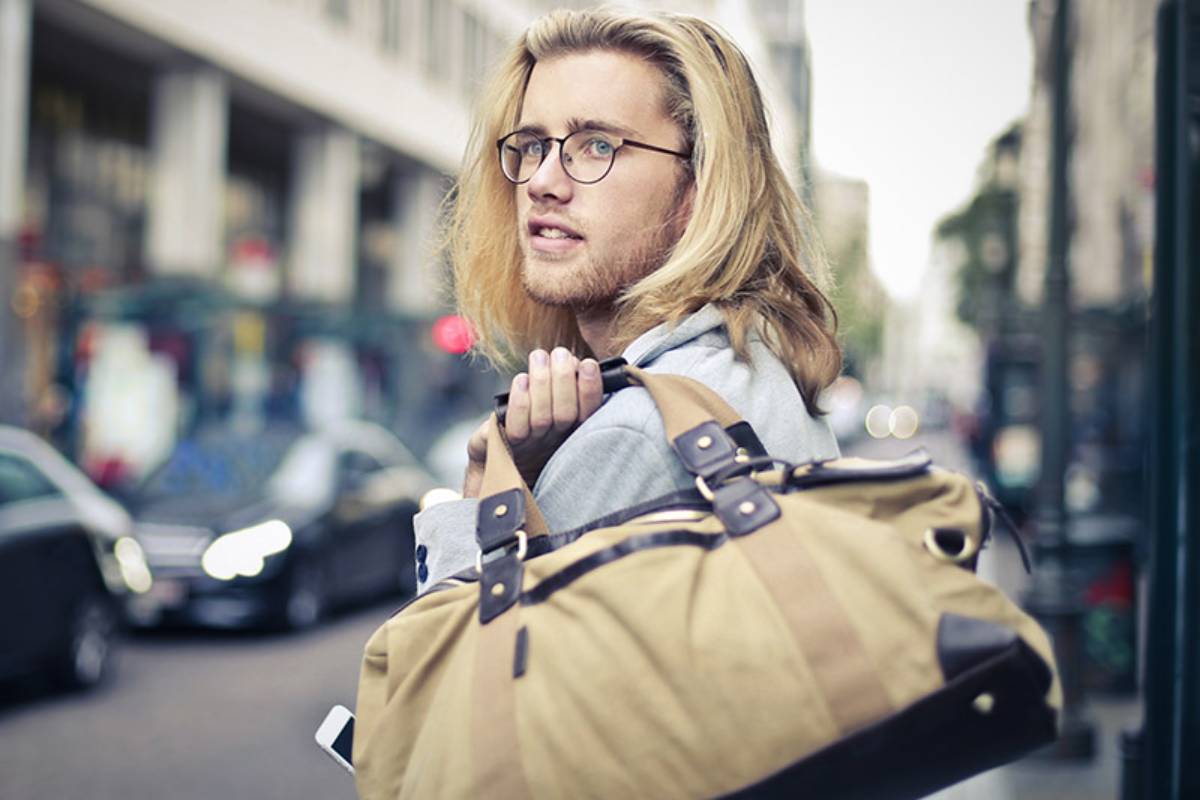
Yes, you can use a duffel bag as checked luggage. Airlines usually care about size, weight, safety, and whether the bag can survive handling, not whether the bag has wheels. A duffel bag as checked luggage works best when it is sturdy, lockable, easy to identify, and within the airline’s checked-bag limits.
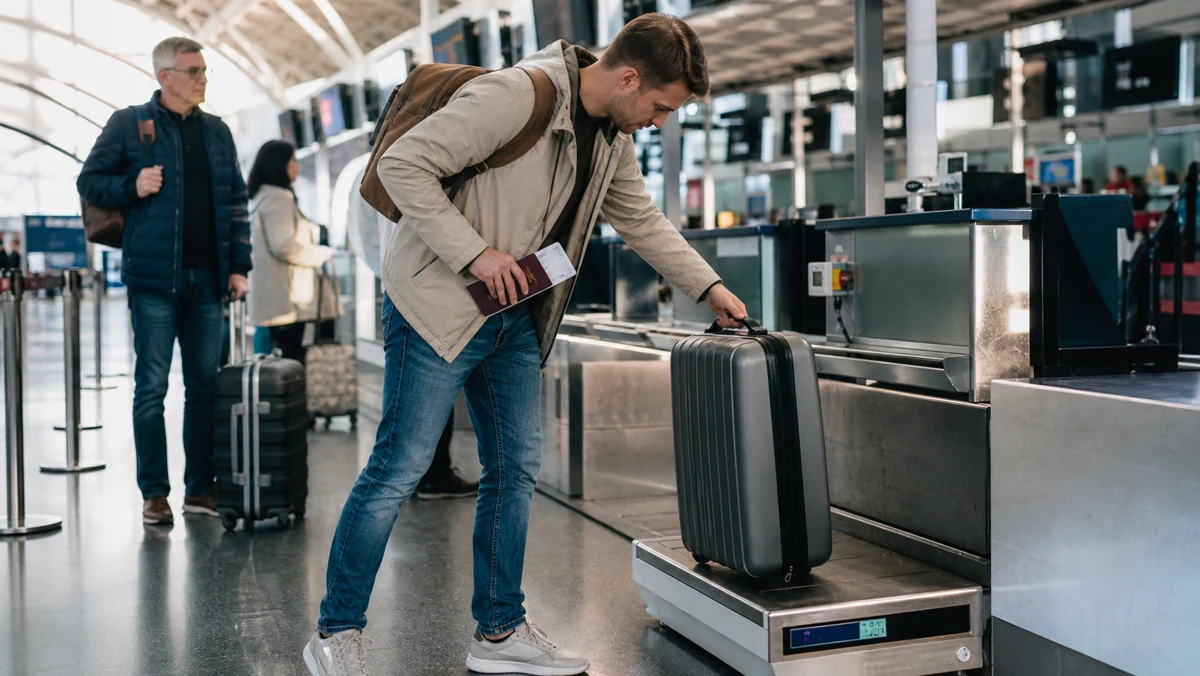
The common U.S. checked-bag limit is 62 linear inches, measured by adding length, width, and height, and 50 pounds for many economy tickets. Always check your airline and route because fees and limits change, and some destinations have embargoes or special restrictions.
Helpful checked-duffel gear
These affiliate links are for making a checked duffel easier to protect, identify, and handle.
Bag choice
Heavy-duty checked duffel bag
Look for reinforced seams, lockable zippers, strong handles, and minimal loose straps.
Measure the packed bag before flying.
Security
TSA-recognized luggage locks
Helps keep zipper pulls together so the bag is less likely to open during handling.
Locks reduce zipper drift, not all theft risk.
Organization
Packing cubes for duffel bags
Keeps clothing from becoming one loose pile if the duffel is opened or searched.
Soft cubes work better than rigid organizers.
Duffel Bag as Checked Luggage: Quick Answer
- Allowed: yes, if the duffel meets the airline’s checked-bag rules.
- Best type: thick fabric, reinforced seams, strong zipper, grab handles, and minimal loose straps.
- Biggest risk: damage from conveyor belts, rain, crushing, or exposed shoulder straps.
- Best for: soft clothing, outdoor gear, shoes, bulky but non-fragile items, and flexible packing.
- Avoid for: laptops, breakables, camera gear, formal clothing, or anything that needs rigid protection.
What Airlines Care About
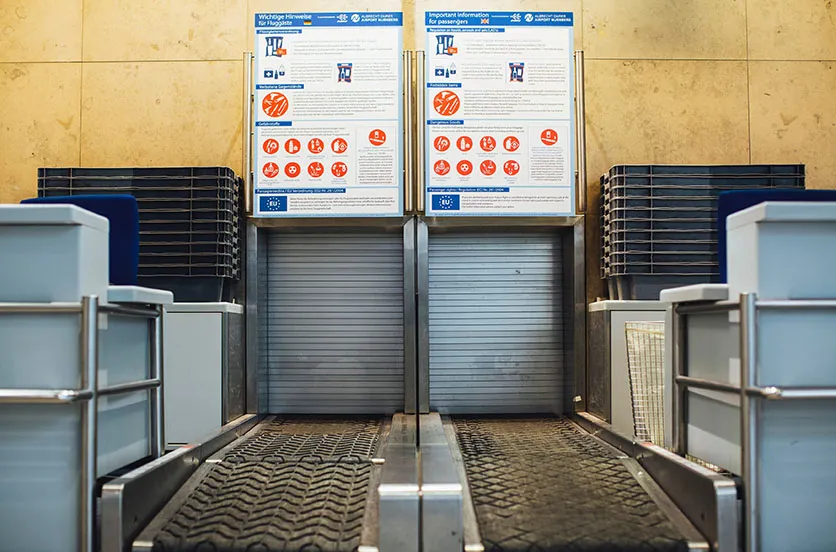
Most airlines accept soft-sided bags as checked luggage. They do not require a hard-shell suitcase. The bag still has to meet checked baggage size and weight rules.
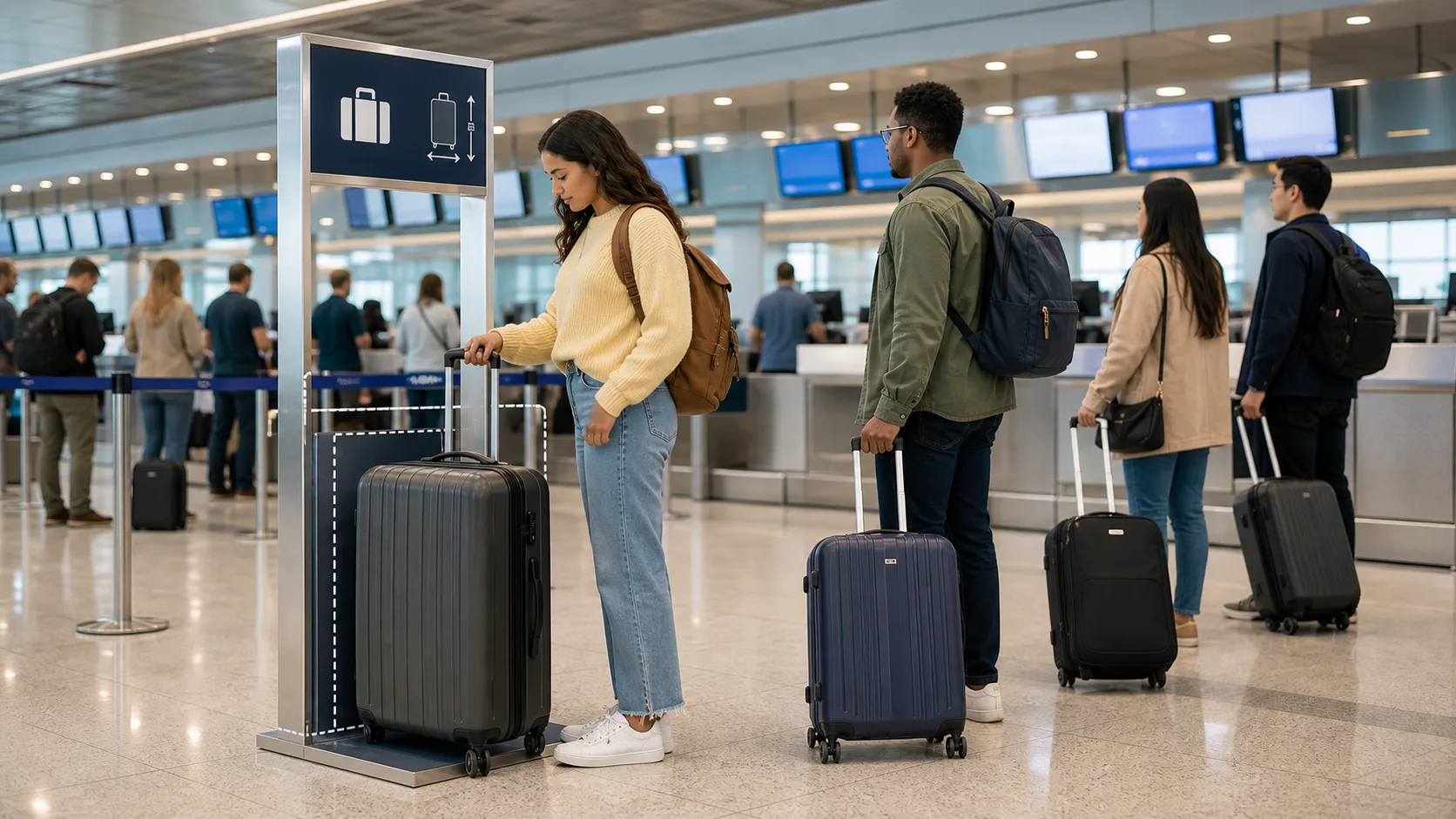
American Airlines calculates checked-bag size by adding outside length, width, and height, with a standard checked-bag dimension of 62 inches or 158 cm for most regions. Southwest also lists a 62-inch size limit and says wheels and handles should be included when measuring. Delta special-item guidance uses the same 62-linear-inch and 50-pound threshold for many standard items.
If you are unsure whether your duffel is too large, compare it with our checked baggage size guide before leaving for the airport.
Pros and Cons of Checking a Duffel Bag
Why duffels work well
Duffels are flexible, lightweight, and easy to store when empty. They are good for clothing, sports gear, boots, jackets, and other items that do not need a rigid shell. A duffel can also fit awkward soft items better than a rectangular suitcase.
Where duffels are weaker
Duffels offer less structure. They can sag on luggage scales, catch straps on conveyor belts, and expose packed items to pressure from other bags. Cheap duffels can split at the zipper or handle when packed close to 50 pounds.
How to Measure a Duffel for Checked Baggage
Measure the bag after it is packed, not while empty. A soft duffel can bulge several inches once stuffed. Add the longest length, widest width, and tallest height, including handles, wheels if it has them, and any rigid end pockets.
For example, a packed duffel that measures 30 x 14 x 13 inches equals 57 linear inches, which fits under a 62-inch rule. A 34 x 16 x 14 inch duffel equals 64 linear inches and may be oversize even if it looks normal at home.
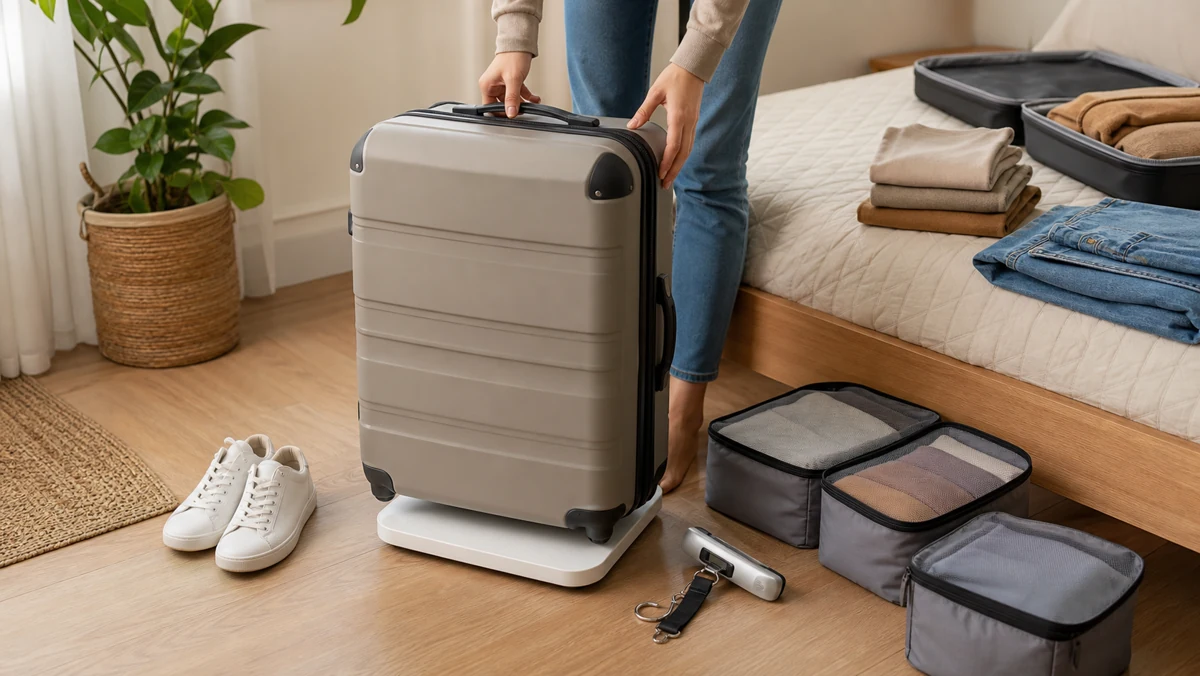
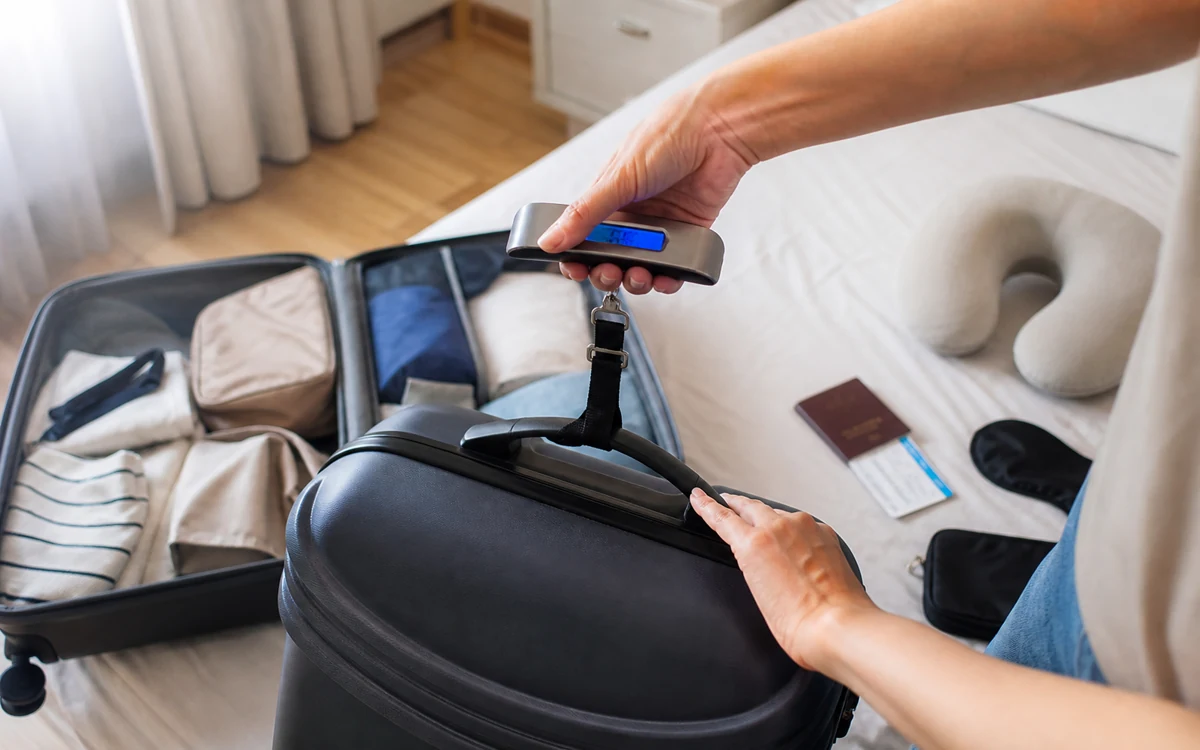
For weight, use the method in our guide to weighing luggage at home so you are not repacking on the airport floor.
8 Smart Rules for Checking a Duffel
- Choose a structured duffel. Reinforced ends and thick fabric matter more than style.
- Tuck or remove shoulder straps. Loose straps can snag during baggage handling.
- Use a TSA-recognized lock. It will not stop every theft risk, but it keeps zippers from drifting open.
- Put soft items near the outside. Clothing acts as padding.
- Keep valuables in carry-on. Do not check laptops, cameras, passports, medicine, or documents.
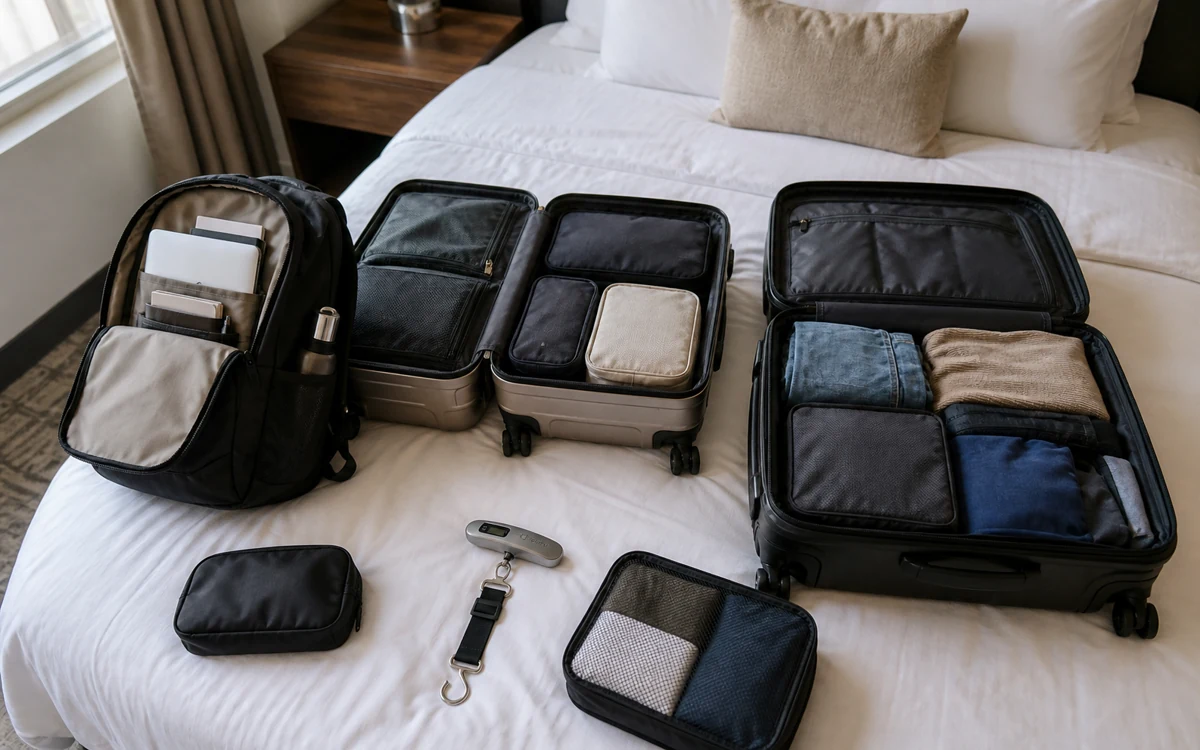
- Use packing cubes. They keep the bag from becoming a loose pile if opened.
- Add a luggage tag and interior contact card. Duffels can look alike.
- Stay under the weight limit. Heavy duffels stress handles and seams.
When a Suitcase Is Better
Use a suitcase instead of a duffel if you are packing fragile items, formal clothes, electronics, bottles, or souvenirs that need crush protection. A hard-side suitcase is also easier to roll through large airports, hotels, and train stations.
For a trip where you need both flexibility and structure, consider a wheeled duffel. It still packs like a soft bag but handles airport walking better than a shoulder-only duffel.
A duffel bag as checked luggage is best when the contents are soft and replaceable. If the trip includes fragile gifts, laptops, camera gear, or bottles, use a sturdier checked suitcase and keep valuables in your carry-on.
The practical answer for most travelers
A duffel bag can work as checked luggage if it is sturdy, not overpacked, and within the airline size and weight limit. The airline usually cares more about total outside dimensions and weight than whether the bag has a hard shell.
The risk is baggage handling. Loose straps, weak seams, soft sides, and bulging pockets can snag on belts or tear under pressure. If the duffel is expensive, fragile, or full of electronics, use a suitcase instead.
FAQs
Do airlines accept duffel bags as checked luggage?
Yes. Airlines usually accept duffel bags as checked luggage as long as the packed bag meets the airline size, weight, and contents rules. It does not need to be a traditional suitcase.
Can a duffel bag be oversized?
Yes. A soft duffel can become oversized if you overfill it. Measure length, width, and height after packing, including bulging sides, wheels, handles, and end pockets.
Is a duffel bag safe for checked baggage?
It can be safe if it is well made and packed correctly. Choose reinforced seams, strong handles, durable fabric, and zippers that can stay closed. Avoid checking a thin gym duffel on a long trip.
Should I lock a checked duffel bag?
A TSA-recognized lock can help keep zipper pulls together, but it does not make a soft bag theft-proof. It is still best to keep valuables, electronics, medicine, documents, and keys out of checked luggage.
How do I protect duffel straps when checking the bag?
Tighten or remove shoulder straps, tuck loose webbing into pockets, and clip handles together. Anything hanging off the bag can catch on conveyor belts or baggage carts.
What size duffel is best for checked luggage?
A medium to large travel duffel that stays under 62 linear inches when packed is the safest starting point for many airlines. Always check your airline because routes, cabins, and fare types can change the allowance.
Can I check a backpack-duffel hybrid?
Yes, if it meets checked-bag rules. Cover or secure backpack straps before checking it, because shoulder straps and hip belts are easy to snag during baggage handling.
What should not go in a checked duffel?
Do not pack passports, medicine, laptops, cameras, lithium power banks, jewelry, cash, keys, or anything you cannot replace quickly. A checked duffel should mainly hold clothing, shoes, toiletries, and non-fragile gear.