Reader-supported. We may earn a commission on purchases through our links. Disclosure ›

Yes, but TSA classifies yogurt as a gel-like substance, which means it falls under the 3-1-1 liquids rule in carry-on. In a checked bag, you can bring as much yogurt as you want with no restrictions. In carry-on, each container must be 3.4 oz (100 ml) or smaller, and all containers have to fit in one quart-sized clear zip-top bag.
The short version: single-serve yogurt cups (usually 5.3 oz) are too big for carry-on. Buy them after security, pack them in checked, or use the small 3 oz cups if you need yogurt for a flight.
3-1-1 Rule for Yogurt in Carry-on
The 3-1-1 rule applies to any item TSA classifies as a liquid, gel, aerosol, cream, or paste. Yogurt falls in the gel-like category. That means:
- Container size: Each container must be 3.4 oz (100 ml) or less
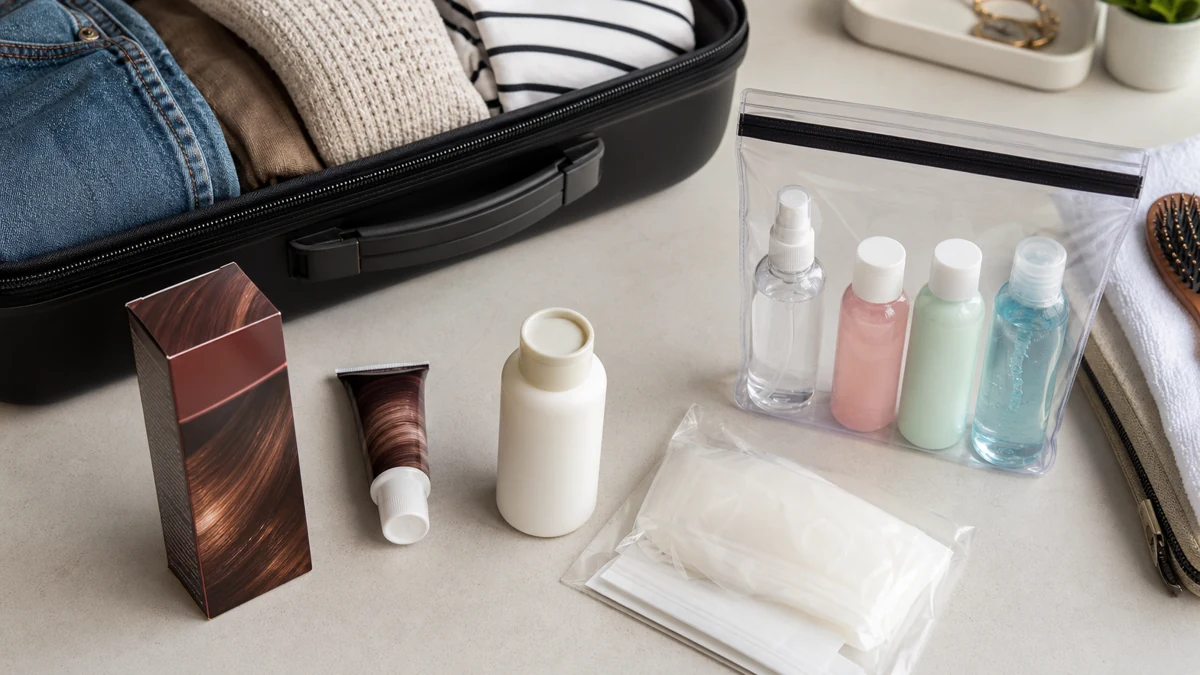
- Bag: All containers must fit in one quart-sized (1 liter) clear zip-top bag
- One bag per person: You can only bring one quart bag
A standard single-serve Chobani or Fage Greek yogurt cup is 5.3 oz, which is over the limit. The small 3 oz cups sold in some stores do meet the requirement and can go in carry-on. Anything bigger has to go in checked baggage.
Frozen Yogurt on a Plane
TSA’s rule: if a food is frozen solid at the checkpoint, it may pass. So if you freeze your yogurt before the flight and it’s still frozen when you go through security, there’s a chance it passes. Whether that actually works in practice depends on the individual agent’s judgment. TSA’s guidance is “may be allowed” not “will be allowed,” so don’t count on it for something you specifically need on the flight.
If you’re bringing frozen yogurt in checked baggage, no issue at all.
Baby Yogurt and Kids’ Food
Baby food and baby formula are exempt from the 3-1-1 rule. If you’re traveling with an infant or toddler, you can bring yogurt pouches and baby food jars larger than 3.4 oz in carry-on. Declare them at the checkpoint. An agent may test the food (non-invasive swipe test), but you won’t have to surrender it.
This exception applies for the amount you “reasonably need” during the trip. A few jars and pouches is fine. A grocery bag full of them might get flagged.
Other Dairy Items on Planes
- Hard cheeses: Allowed in carry-on with no size limit. TSA considers solid cheeses as solids, not liquids.
- Soft/spreadable cheese: Falls under the 3-1-1 rule. Same rules as yogurt.
- Butter: Solid butter passes. Spreadable or whipped butter is treated as a gel.
- Milk: Liquid, subject to 3-1-1. Must be 3.4 oz or less per container in carry-on.
- String cheese: Allowed in carry-on with no restriction.
Practical Options If You Want Yogurt on Your Flight
- Buy it after security. Most US airports have yogurt in terminal shops or food courts. You can buy full-size cups once you’re past the checkpoint.
- Pack it in checked. No restriction on size or quantity in checked bags. Pack in a sealed container and bag it in case of leaks.
- Use 3 oz cups. Small yogurt cups exist and qualify for carry-on. They’re harder to find than standard sizes, but they’re out there.
- Bring yogurt-covered snacks. Yogurt-covered pretzels, raisins, and granola bars aren’t subject to 3-1-1 since they’re solid. A decent alternative for mid-flight snacking.
Frequently Asked Questions
Can I bring a full-size yogurt cup through TSA in carry-on?
No. Standard 5.3 oz and 6 oz yogurt cups are over the 3.4 oz carry-on limit. Pack them in checked, buy after security, or use small 3 oz cups.
Is frozen yogurt treated differently by TSA?
If it’s completely frozen solid when you go through security, TSA may allow it under the solid food exception. “May” is the key word. It’s up to the individual agent. Don’t rely on this for something you need on the flight.
Can I bring baby yogurt or baby food pouches through TSA?
Yes. Baby food for infants and toddlers is exempt from the 3-1-1 rule. Declare it at the checkpoint. Agents may test it but won’t confiscate it if it’s a reasonable travel quantity.
Can I bring Greek yogurt on a plane?
Same rules as regular yogurt. Greek yogurt is a gel, so 3.4 oz or less in carry-on, or pack in checked baggage. Most single-serve Greek yogurt cups are 5.3 oz, which is over the limit.
What happens if my yogurt doesn’t comply with TSA rules?
It gets confiscated at the checkpoint. You can also choose to eat or toss it before going through security.
Author
Can I bring something else on a plane? Search TSA rules ›