
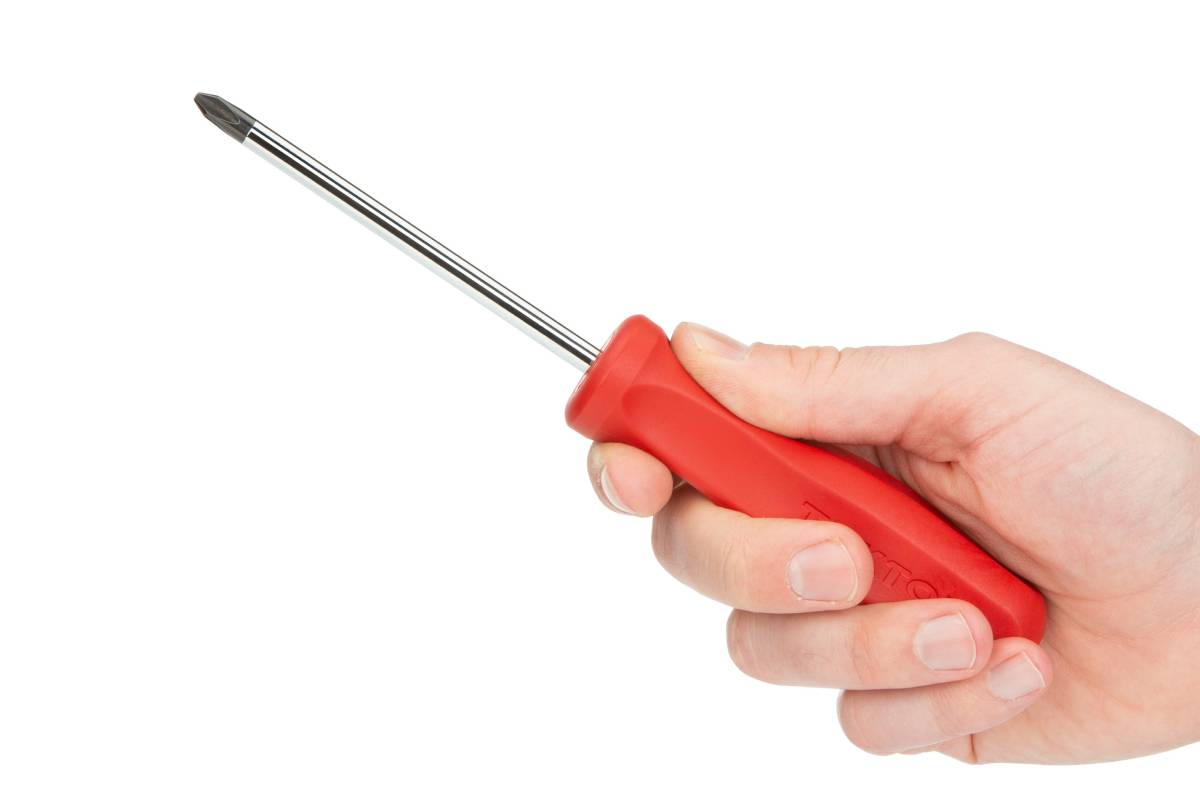
Imagine you’re meticulously packing for your next big adventure, ticking off items on your travel checklist when you hit a snag. That trusty screwdriver set you need for your destination project—can it fly with you, or will it land you in hot water with airport security? This conundrum has puzzled many travelers, and it’s time to drill down into the facts, untighten the bolts of confusion, and provide clarity once and for all.
TL;DR: Key Takeaways
- Screwdrivers under seven inches are TSA-approved for carry-on luggage.
- Items resembling weapons or tools over seven inches must be checked in.
- Always verify with airlines and local regulations to avoid travel hiccups.
- Understanding TSA rules can make your travel experience smoother and more enjoyable.
- Personal experience and insider tips can navigate the nuances of traveling with tools.
The Tip of the Iceberg: Navigating TSA’s Waters
The Transportation Security Administration (TSA) is the gatekeeper of airport security, wielding the power to make or break your travel experience.
With a startling statistic of 4,432 firearms discovered in carry-on bags in 2019 alone, it’s clear that the TSA means business when it comes to regulating what flies.
While a screwdriver is no firearm, this figure underscores the importance of understanding and adhering to TSA guidelines to ensure your essential tools make the journey with you.
Screwdrivers: To Carry or Not to Carry?🛠️
Navigating the ins and outs of TSA regulations can sometimes feel like you’re trying to solve a Rubik’s Cube blindfolded. But here’s a tidbit that might just make your day: the TSA, in its labyrinth of rules, has carved out a little niche for screwdrivers.
Yes, those indispensable companions for both the DIY enthusiast itching to tackle a new project and the seasoned professional whose toolkit is an extension of their arm can indeed be part of your aerial adventure. The magic number here is seven — any screwdriver under seven inches in length is cleared for takeoff in your carry-on bag. This isn’t just good news; it’s a beacon of hope for anyone who’s ever faced the dilemma of needing a tool on arrival but fearing the stern gaze of airport security.
But before you start packing your entire tool shed, pump the brakes. There’s a caveat that’s just as crucial as the permission slip itself: anything that crosses the seven-inch threshold is a no-fly zone in your carry-on. These tools need to check into the cargo hold, nestled securely within your checked baggage. Why such a precise measurement, you might wonder? It’s all about safety, the cornerstone of TSA’s mission. Tools, by their very nature, can be repurposed in ways that could compromise the safety and security of passengers and crew. By setting a clear boundary, the TSA aims to keep the skies not just friendly but safe for everyone aboard.
This policy is a delicate balance between utility and security, allowing travelers the convenience of having their essential tools on hand while ensuring that the aircraft remains a secure environment. It’s a classic case of having your cake and eating it too, provided your cake is less than seven inches and doesn’t resemble anything on the TSA’s no-fly list. So, the next time you’re packing, remember: size really does matter, and in the world of air travel, smaller is not just better—it’s allowed.
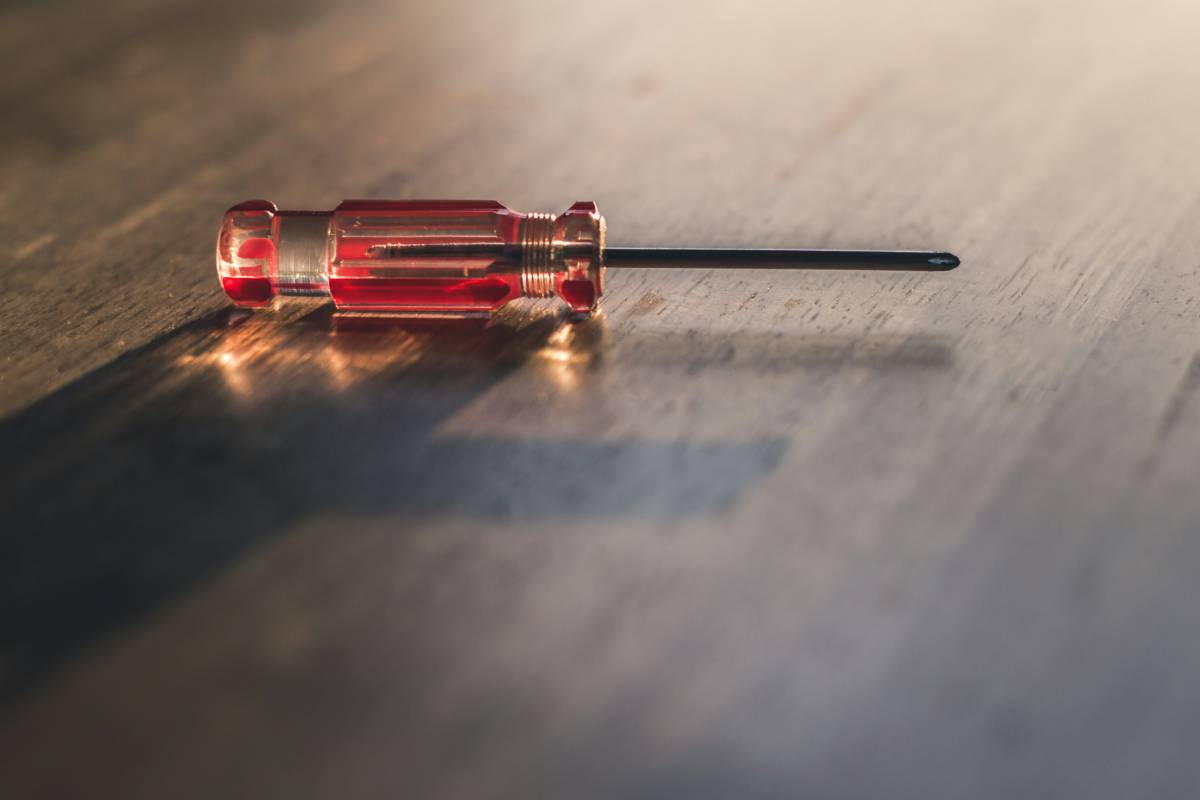
Expert Insights: Packing with Precision
Robert Mann, an esteemed aviation consultant with a treasure trove of industry knowledge, advises,
“While it’s generally safe and legal to pack small tools like screwdrivers, passengers should always check with their airline and local airport regulations before packing any questionable items.”
This pearl of wisdom emphasizes the need for due diligence. Ensuring your tools comply not only with TSA but also with airline-specific policies can save you from a world of inconvenience at the security checkpoint.
Benefits Beyond the Tool Belt: Why It Matters
Packing the right tools can be a game-changer for your travels, whether it’s for a quick fix at your Airbnb or an essential part of your work kit.
Understanding the ins and outs of TSA regulations not only keeps your travel plans running smoothly but also safeguards the collective security of all passengers.
It’s about striking the perfect balance between being prepared and being security-conscious.
A Screw Loose? Personal Experiences and Insider Tips
As a seasoned travel journalist, sharing a tale of the time a mini screwdriver set in a carry-on saved a conference presentation, highlighting the unexpected ways travel tools can come to the rescue.
Secret tip? Always wrap your tools in clear, zip-lock bags for easy inspection by TSA agents, reducing the chances of delays during security checks.
In Conclusion
In wrapping up this high-flying discussion on whether you can bring a screwdriver on a plane, it’s clear that the skies aren’t just for birds and planes but also for the well-prepared traveler equipped with the right tools, adhering to TSA’s guidelines. Remember, the golden rule is that size matters when it comes to packing tools like screwdrivers in your carry-on luggage. Sticking to items less than seven inches ensures that your trusty tools can accompany you in the cabin, making your travel smoother and keeping you ready for any minor fixes or projects upon landing.
However, the journey doesn’t end with just knowing the rules. Being a savvy traveler means also packing with intention and foresight. Ensuring that your tools comply with TSA guidelines not only facilitates a smoother security check but also contributes to the collective safety and peace of mind of all passengers. It’s about navigating the fine line between necessity and compliance, ensuring that your essentials are just a reach away without crossing into prohibited territory.
As we’ve unfolded the intricacies of traveling with tools, particularly screwdrivers, the overarching message is clear: knowledge is power. Empowering yourself with the latest TSA regulations and understanding the nuances of air travel can transform your experience from turbulent to terrific. So, pack smart, stay informed, and soar high with confidence, knowing that your toolkit, just like your spirit of adventure, is ready for takeoff.
Can I bring a screwdriver in my carry-on?
Yes, as long as the screwdriver is less than seven inches in length, it is permitted in your carry-on luggage.
What if my screwdriver exceeds seven inches?
Tools longer than seven inches, including screwdrivers, must be packed in checked baggage.
Are all airlines the same regarding tool policies?
While TSA guidelines provide a baseline, individual airlines may have their own restrictions. Always check with your airline before flying.
Can I bring a tool kit in my carry-on?
Yes, tool kits with items shorter than seven inches, like small screwdrivers, are allowed in carry-on luggage.
How can I ensure my tools don’t cause delays at security?
Packing tools in clear, plastic bags and separating them from other items in your carry-on can help speed up the inspection process.
Are there any items that can never be brought on a plane?
Yes, certain items like firearms, large sharp objects, and explosives are strictly prohibited on flights.
What should I do if I’m unsure about an item?
If in doubt, check the TSA’s official website or contact your airline for specific guidance on prohibited items.
Can security confiscate my tools if they’re allowed?
While unlikely, TSA agents have the discretion to confiscate any item they deem a security threat, even if it generally complies with guidelines.
What’s the best way to pack tools for air travel?
Ensuring tools are securely packed, preferably in their original cases or wrapped in clothing, can prevent damage and ease security checks.
How early should I arrive at the airport if carrying tools?
Allowing extra time for security screening, especially when carrying items that may require additional inspection, is always a good idea.