
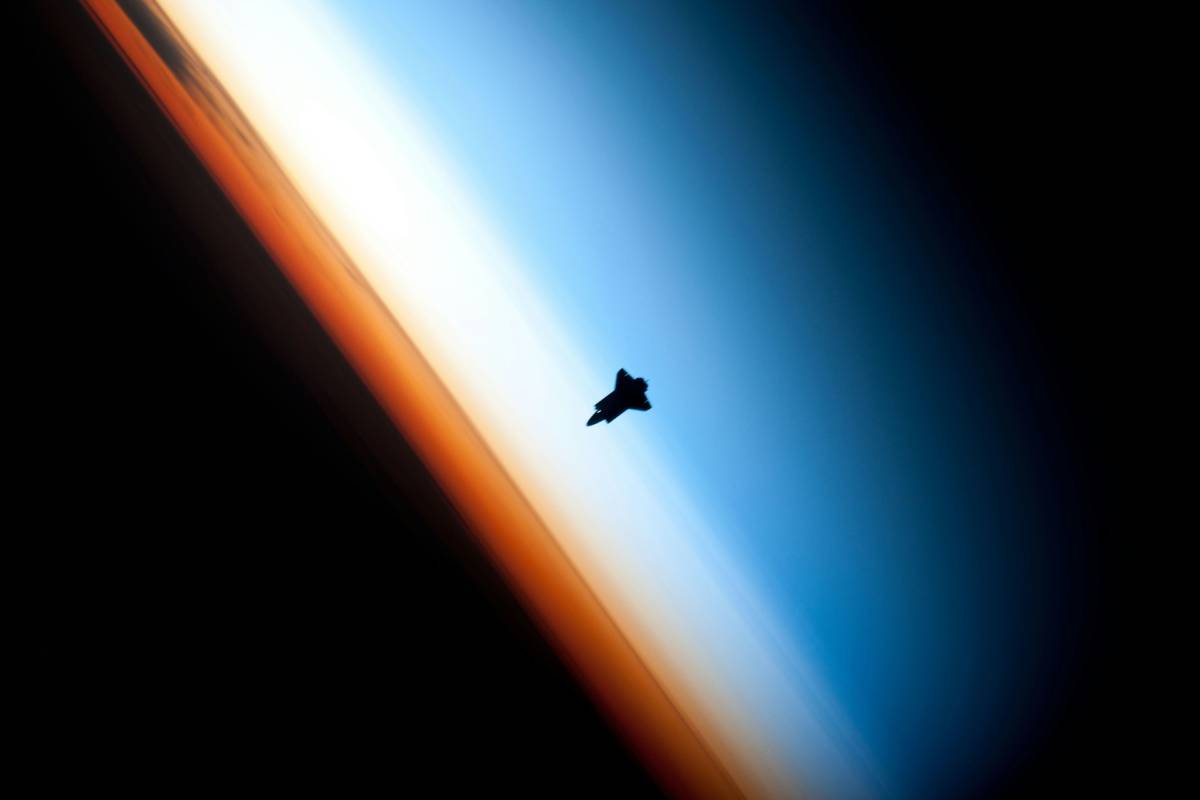
 Imagine you’re late for a meeting halfway across the globe. Traditional flights just won’t cut it. What if I told you there’s a plane that could zip you there faster than you can say “boarding pass”? Welcome to the realm of the fastest planes in the world, where speed is no longer just a number, but an exhilarating reality.
TL;DR: The Need for Speed in the Sky
- The NASA X-43, the absolute speed demon of the skies, clocked a jaw-dropping 7,346 mph (Mach 9.6).
- The North American X-15 holds the crown for the fastest manned aircraft, zooming over Mach 6.72.
- NASA’s Vince Rausch says the X-43’s groundbreaking speed paves the way for futuristic space access.
- These planes aren’t just about breaking records; they’re about breaking barriers and redefining possibilities
The Sky’s Not the Limit: Beyond Mach 9
In the vast, infinite expanse of the blue yonder, a single aircraft has etched a streak so blisteringly fast, it borders on the realms of myth and legend.
The NASA X-43, known only to those audacious enough to dream of speeds that whisper the secrets of Mach 9, is more than just an aircraft; it’s a herald of the future of aviation. With a velocity so astonishing, clocking in at approximately 7,346 mph, this unmanned hypersonic research aircraft has irrevocably altered our perception of the achievable, challenging the very fabric of aeronautical engineering and pushing the boundaries of speed beyond the wildest imaginations of yesteryears.
This marvel of technology isn’t just a testament to speed; it’s a beacon of human ingenuity, showcasing the relentless pursuit of surpassing known limits and venturing into the uncharted territories of hypersonic travel. The X-43’s groundbreaking achievements provide a tantalizing glimpse into a future where distance and time are no longer insurmountable barriers but mere variables in the equation of human endeavor and exploration.
When Speed Meets Spirit: The Legend of X-15
Yet, the journey to this pinnacle of speed was not embarked upon with the X-43. Its precursor, the indomitable maverick known as the North American X-15, carved the initial pathways through the heavens.
This rocket-powered behemoth was not merely fast; it was a colossus among the pantheon of aircraft, shattering expectations and records with speeds surpassing Mach 6.72. The pilots at the helm of this incredible machine were more than mere aviators; they were the trailblazers of the skies, teetering on the edge of Earth’s atmosphere, where the blue fades to the inky black of space. The legacy of the X-15 is encapsulated not only in its phenomenal speed but also in the unyielding spirit of adventure and exploration it symbolizes—a testament to human courage and curiosity.
The Visionaries Behind the Velocity
However, the story of these monumental achievements in speed is not solely about the marvels of engineering that are these aircraft. At its core, it’s a narrative about the visionaries who dared to dream, to push beyond the boundaries of the known world.
Vince Rausch, the visionary architect behind NASA’s Hyper-X program, eloquently captured this essence when he remarked,
“The X-43 represents our continued commitment to develop high-speed technologies that will enable us to improve access to space.”
These words resonate with the spirit of innovation and the relentless pursuit of breaking through barriers, not just in the skies but in the collective mindset, transforming the sky from an insurmountable obstacle into a vast expanse of possibilities waiting to be explored.
Through these incredible machines and the brilliant minds behind them, we’re reminded that the limits of our world are not defined by the horizons we see but by the visions we hold. As we stand on the precipice of new discoveries and technologies, the legacy of the X-43 and X-15 serves as a beacon, guiding us towards a future where the sky is not the limit but the beginning of a new frontier.
Why Should We Care?
You might wonder, “Why does this matter to me?”
 Well, think about it. Today’s supersonic research could be tomorrow’s commercial flights. Imagine hopping on a plane after breakfast in New York and landing in Tokyo for a sushi lunch. This isn’t just about shaving off a few hours on your flight time; it’s about reimagining the boundaries of our world.
A Personal Note
As a travel enthusiast, I’ve always been fascinated by the concept of speed. There’s something magical about the idea of transcending time zones, cultures, and landscapes in the blink of an eye. The fastest planes in the world aren’t just feats of engineering; they’re symbols of human aspiration. They remind us that no dream is too big, and no distance is too far.
Conclusion: The Sky’s Just the Beginning
In wrapping up this high-flying exploration into the fastest planes the world has ever seen, it’s hard not to feel a surge of excitement for the future of travel and aerospace innovation.
The breathtaking speeds of the NASA X-43 and the legendary North American X-15 are not just figures in the annals of aviation history; they are beacons of human potential and ingenuity, illustrating that our quest for speed and efficiency knows no bounds.
As a travel journalist, I’ve been privileged to witness remarkable advancements in travel, but the sheer scale of what these aircraft represent is truly awe-inspiring. They embody the spirit of exploration and the relentless pursuit of pushing beyond our limits. The notion that we could potentially board a plane in New York and disembark in Tokyo in a fraction of the current travel time is exhilarating. It redefines our concept of distance, making the farthest corners of our planet more accessible and interconnected.
Moreover, these speed marvels are a testament to the collaborative spirit of scientists, engineers, and visionaries who dare to dream big and challenge the status quo. Their efforts not only pave the way for faster, more efficient travel but also open up new possibilities for space exploration and beyond. As we look towards the horizon, the legacy of the fastest planes in the world inspires us to dream bigger and push harder. It’s a vivid reminder that in the quest to conquer the skies, the only limits that exist are those we impose upon ourselves.
So, here’s to the future of travel, where the journey is not just about the destination but the incredible speed with which we get there. Fasten your seatbelts, folks; the age of hypersonic travel is just around the corner, and it promises to be a thrilling ride.
FAQs
What is the fastest plane in the world?
The NASA X-43 is the fastest plane in the world, reaching speeds of approximately 7,346 mph (Mach 9.6).
Is the X-15 still the fastest manned aircraft?
Yes, the North American X-15 holds the record for the fastest manned aircraft, achieving speeds over Mach 6.72.
Can these speeds be expected in commercial flights soon?
While current research is primarily experimental, advancements in technology could eventually influence commercial aviation, potentially leading to faster flight times.
What does this mean for the future of travel?
The development of faster aircraft could revolutionize travel, significantly reducing journey times and making global destinations more accessible.
Why are these speeds significant?
Achieving such high speeds in flight represents a significant technological breakthrough and has implications for aerospace engineering, space exploration, and future commercial travel.
Sources:
1. NASA’s official website
2. The National Air and Space Museum
3. Federation of American Scientists