

Ever boarded a flight and wondered whether your stylish fedora or comfy baseball cap could stay perched on your head without causing a stir? The debate around air travel attire is as old as commercial flights themselves, but today, we’re tipping our hats to a very specific query: Can you wear a hat on a plane?
TL;DR
- Wearing hats on planes is allowed by the TSA, but they might need to be removed for security checks.
- About 5% of passengers prefer flying with their hats on for various reasons, from style to comfort.
- Consideration for fellow passengers and space constraints should guide your hat choice on a plane.
- Emily McNutt reminds travelers that hats are great, but they should be ready to remove them during security screenings.
- Picking the right hat can elevate your travel experience and even spark conversations.
Headgear Highs and Lows: The Sky’s the Limit
Imagine gliding through the airport, your favorite hat adding that final touch to your meticulously planned outfit. But as you approach the security line, a twinge of doubt creeps in. Fear not, fellow travelers, for the friendly skies are indeed hat-friendly zones. Your choice in headwear, whether it’s a stylish fedora that makes a statement or a soft, comforting beanie that doubles as a remedy for chilly cabins, is more than welcome in the world above the clouds.
According to the TSA, your headwear is welcome aboard. This inclusivity extends beyond fashion statements to encompass hats worn for comfort or medical reasons, such as soft hats that might provide relief from migraines or other conditions.
It’s not just about getting past security; it’s about flying with finesse and respect. The acknowledgment of hats as both style statements and commodities for comfort underscores the airline industry’s commitment to accommodating the diverse needs of passengers. So, whether your hat serves as the crowning piece of your travel attire or a necessary accessory for comfort and well-being, rest assured, the skies are prepared to accommodate your needs.
Why Fly Brimmed?
A Skyscanner survey revealed a fascinating tidbit: around 5% of air voyagers don their hats for flights. But why?
For some, it’s a matter of style—caps and fedoras are as much a part of their travel ensemble as a sturdy suitcase. For others, it’s about comfort or even a personal tradition. Hats can be shields against the sun, salvations for bad hair days, or simply a cozy companion for a nap at 30,000 feet.
Hat Etiquette at 30,000 Feet
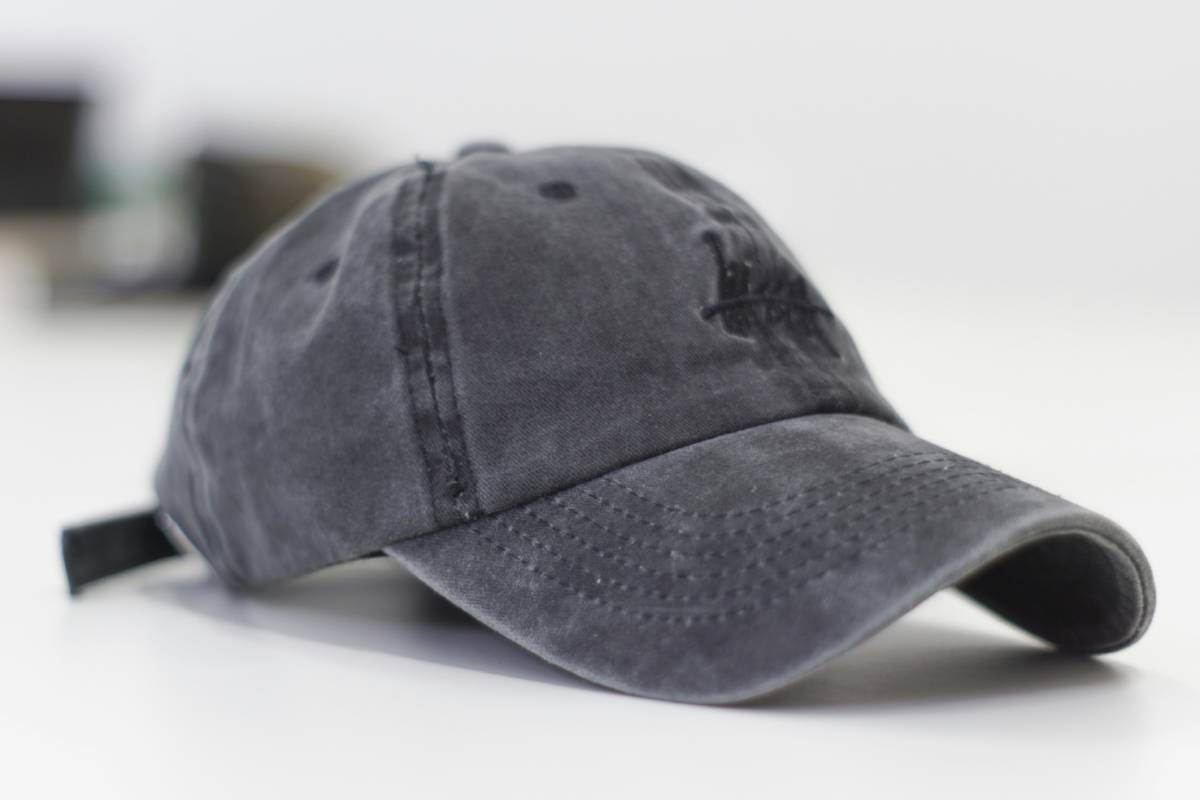
While the skies welcome your headwear, etiquette and practicality are your co-pilots. A towering top hat might make a statement at a garden party, but on a plane, it’s likely to make enemies instead of friends. Opt for something less obtrusive—a cap, a beret, or a beanie that won’t invade your neighbor’s airspace. In the realm of air travel, the unspoken rule is to maintain a balance between personal style and communal comfort. This means selecting headgear that respects the limited overhead bin space and ensures your fashion choices don’t encroach on the personal bubble of fellow passengers.
Moreover, consider the practicality of your hat in terms of travel logistics. A foldable hat that can easily be packed away or a soft hat that you can hold in your lap during meal times could be perfect solutions. These choices not only demonstrate good manners but also underscore a savvy traveler’s knack for seamless adaptation to the dynamic environment of an aircraft. After all, navigating the etiquette of what to wear and what not to wear at 30,000 feet is part of the broader tapestry of travel, intertwining respect for others with the expression of personal style.
Remember, your choice of hat can also serve as a reflection of your travel ethos. A simple, elegant cap might suggest a laid-back, practical approach to travel, while a stylish beret could hint at a penchant for blending in with the chic crowds of Paris or Milan. Thus, selecting the right hat is not just about adhering to etiquette; it’s about crafting your travel narrative, one flight at a time.
Security Tango: A Hat Dance
Emily McNutt puts it succinctly: hats are essential, but they’re not immune to the security shuffle. Be prepared to doff your cap as you dance through the scanners. It’s not about spoiling your look; it’s about ensuring the safety and smooth flow of all passengers. A brief hat hiatus at the conveyor belt is a small price to pay for airborne peace of mind. This momentary pause in your style ensemble offers a glimpse into the intricate ballet of airport security, where every piece of attire and accessory plays a role. As you temporarily part with your beloved headwear, remember it’s a gesture of solidarity with fellow travelers, contributing to the collective effort of ensuring a safe journey for all.
The security checkpoint, with its beeps and buzzes, becomes a stage where each traveler performs their part, with hats playing a cameo role. This isn’t merely a procedure but a shared ritual that underscores the interconnectedness of our travel experiences. Embracing this process with grace and understanding transforms a mundane security measure into a meaningful part of your travel narrative. So, as you tip your hat off to the X-ray machine, take it as an opportunity to reflect on the shared journey we’re all part of, each of us contributing to the tapestry of safe and respectful air travel.
The Right Hat for the Right Journey
Choosing the perfect travel hat is an art. It should be compact enough to stash away in your carry-on but resilient enough to spring back into shape after being squished. And let’s not forget the potential for sparking joy and conversation—a quirky beanie or a vintage cap can be great icebreakers with your seatmate.
Conclusion: To Hat or Not to Hat?
In the grand tapestry of travel quirks and queries, pondering whether you can wear a hat on a plane might seem like a minor stitch. Yet, it’s these seemingly small details that can significantly shape our travel experience. The verdict is in: yes, you can indeed tip your hat to the skies and wear it proudly aboard your next flight. But, like any seasoned traveler knows, it’s not just about what’s permissible; it’s about flying with finesse, respect, and a touch of savoir-faire.
The TSA’s nod to headgear freedom doesn’t mean your choice of hat shouldn’t be considerate of the confined space and the comfort of fellow passengers. Opting for compact, non-obstructive hats ensures that your fashion statement doesn’t become a faux pas at 30,000 feet. Remember, the right hat doesn’t just complement your travel attire—it can enhance your entire journey, from smoothing over those pesky bad hair days to sparking delightful conversations with seatmates.
As we navigate the skies, let’s not forget that travel is as much about the journey as the destination. A hat can be more than just an accessory; it can be a companion that adds a layer of comfort, style, and personal expression to your journey. Next time you’re packing, consider not only the practicalities but also the potential joys a simple hat can bring to your airborne adventures.
So, whether you’re a hat aficionado or an occasional cap-wearer, the skies are welcoming to your chosen headgear. Just ensure it’s in harmony with the shared space of air travel. After all, the essence of travel lies in the shared experience—navigating new skies, exploring new horizons, and doing so with consideration and style. So go ahead, pack your favorite hat, and set off on your next adventure with confidence and a dash of flair.
FAQs
Can I wear a large hat on a plane?
Large hats can be cumbersome in the confined space of an airplane. Consider wearing a smaller, less intrusive hat or stowing your larger hat during the flight.
Do I need to remove my hat for airport security?
Yes, the TSA may require you to remove your hat during the security screening process to ensure nothing is hidden beneath it.
Are there any types of hats that are recommended for flights?
Compact, foldable hats that don’t take up much space or obstruct others’ views are ideal for flights. Think beanies, caps, or soft berets.
Can wearing a hat on a plane be beneficial?
Yes, hats can provide comfort, block out light for better sleep, and even cover up messy travel hair.
Is it considered rude to wear a hat on a plane?
Not inherently, but it’s important to be mindful of the size of the hat and the comfort of fellow passengers.
What should I do with my hat during the flight?
If your hat is not obstructing anyone’s space or view, you can keep it on. Otherwise, stow it in your carry-on or under the seat in front of you.
Can hats be a conversation starter on flights?
Absolutely! A unique or stylish hat can be a great way to break the ice with seatmates.